Coffee Brands with Transparent Sourcing: A 2026 Guide to Ethical Choices
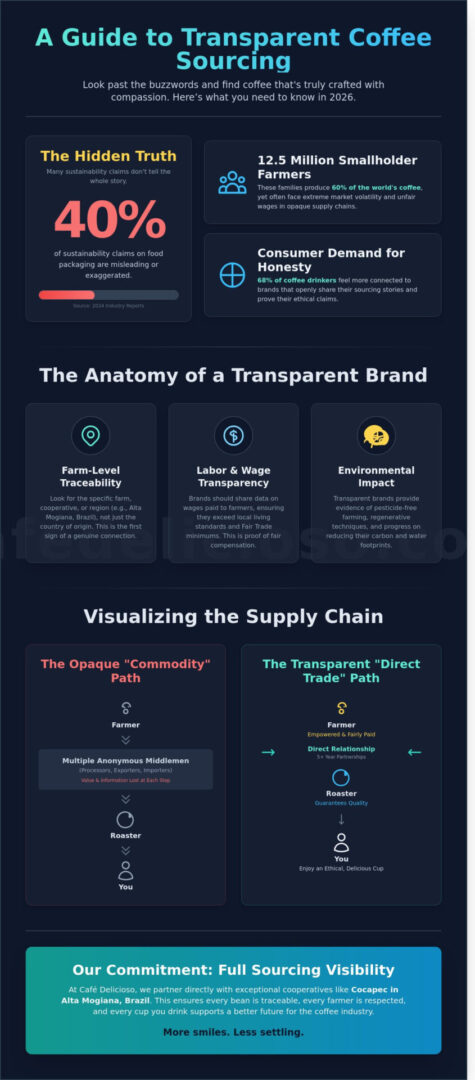
In 2024, industry reports indicated that nearly 40 percent of sustainability claims on food packaging were found to be misleading or exaggerated. You want to support farmers and protect the land, yet finding coffee brands with transparent sourcing often feels like a full time job. It’s frustrating to pay a premium price when you aren’t certain that the extra money reaches the people who grew the beans or supports regenerative farming practices.
You deserve more smiles and less settling when it comes to your favorite daily ritual. This 2026 guide identifies the most trustworthy roasters that offer verifiable data on their supply chains, ensuring your cup of joy is backed by real evidence. You’ll learn how to look past the buzzwords to find coffee that is truly crafted with compassion. We will explore a curated list of ethical brands, provide a simple checklist for verifying transparency, and explain how these specific choices create a better future for the coffee industry and the people behind every bean.
Key Takeaways
- Understand why knowing the journey from farm to cup is essential for ensuring fair wages and protecting the environment.
- Learn how to identify coffee brands with transparent sourcing by looking for farm-level reporting and clear labor standards.
- Discover how to verify ethical claims by examining regional details and direct trade statements on your coffee packaging.
- Explore how our partnership with the Cocapec cooperative in Brazil ensures exceptional quality through full supply chain visibility.
- Gain the tools to make informed purchasing decisions that support ethical production and provide a better experience in every cup.
The Importance of Transparency in Modern Coffee Sourcing
Your morning cup of joy represents a long, intricate journey. It starts with a seed in the red volcanic soil of Alta Mogiana, Brazil, moves through harvest, processing, shipping, and roasting before it reaches your kitchen. For many years, this process remained hidden. When you choose coffee brands with transparent sourcing, you’re choosing to see the hands that picked the cherries. You’re choosing a path where every step is clear and every person is respected. It’s about more than caffeine; it’s about a deep connection to the land and the people who nurture it.
The Problem with Anonymous Coffee
Commodity coffee often thrives on anonymity. This lack of clarity allows environmental exploitation to happen without consequence. When supply chains are opaque, it’s easy to ignore the 12.5 million smallholder farmers who produce 60 percent of the world’s coffee. These farmers often face extreme market volatility. In 2023, global coffee prices swung wildly, leaving families struggling to meet basic needs. Many anonymous brands claim to follow Fair trade coffee standards, but true transparency goes much further. It reveals the exact farm, the specific wages paid, and the environmental impact of every single bag. This level of detail prevents the hidden costs of deforestation and unfair labor that plague the mass market. You can learn more about how we prioritize these values in our mission for conscious sipping.
Transparency as a Tool for Change
Transparency isn’t just a trend; it’s a mechanism for survival. By sharing data openly, roasters empower farming communities to negotiate better terms. This openness protects biodiversity by holding producers accountable for land use, especially under the EU Deforestation Regulation (EUDR) standards that took effect in late 2024. As we move into 2026, the demand for traceability has reached a peak. Recent industry reports show that 68 percent of coffee drinkers now feel more connected to brands that share their sourcing stories. This shift toward ethical responsibility ensures that we preserve the land for future generations.
At Café Delicioso, we believe in a love for the process that honors every bean. We focus on regenerative farming and pesticide-free methods because we want you to feel good about every sip. Choosing coffee brands with transparent sourcing means you aren’t just buying a beverage; you’re investing in a healthier planet and a more compassionate world. We believe in providing exceptional coffee for everyone without compromising on quality or ethics. More smiles. Less settling.
Defining Features of a Transparent Coffee Brand
A transparent brand doesn’t hide behind vague buzzwords; it invites you to see the entire journey of your beans. For coffee brands with transparent sourcing, the goal is to provide a clear window into every step of production. This level of openness ensures that your cup of joy is crafted with compassion and integrity. You should look for specific markers that prove a brand’s commitment to honesty and quality.
- Farm-Level Traceability: Identifying the specific farm or cooperative, such as those in the Alta Mogiana region of Brazil, rather than just a country of origin.
- Labor and Wage Transparency: Publicly sharing data on wages to ensure they meet or exceed local living standards.
- Environmental Impact: Providing evidence of pesticide-free farming and regenerative techniques that restore soil health.
- Operational Openness: Sharing details about roasting dates and shipping methods to guarantee freshness without compromise.
- Impact Reporting: Publishing annual sustainability reports that document progress in reducing carbon footprints and water waste.
The Love for People and Land
Authentic transparency starts with a deep respect for the hands that harvest the beans. This involves verifying that workers receive fair pay and operate in safe, dignified conditions. Many ethical brands now invest directly in community infrastructure, such as funding local schools or health clinics in 2024. Price transparency in coffee is a vital component of this, showing the exact amount paid to the grower versus the fluctuating market price. Brands that show Love for the Land prioritize regenerative farming to protect local ecosystems for future generations.
Understanding Direct Trade Models
Direct trade goes beyond standard certifications by removing unnecessary middlemen. This model allows roasters to build long term relationships with growers, often spanning five years or more. These partnerships create financial stability for farmers and a consistent supply of premium beans for you. Because the buyer works directly with the producer, they can collaborate on quality standards that result in incomparable Arabica beans. Choosing coffee brands with transparent sourcing that use direct trade ensures your daily ritual supports a system built on mutual respect. You can see how these values shape our own approach by exploring our mission for a more ethical coffee industry.
Top Coffee Brands Leading the Way in Sourcing Transparency
Transparency is the heartbeat of a truly exceptional cup of joy. It is not just about a label on a bag; it is about the story of the land and the people who nurture it. Leading coffee brands with transparent sourcing are moving beyond simple marketing by building bridges between the farmer and your morning ritual. This connection ensures that every sip supports regenerative farming and ethical production. High traceability often results in superior flavor profiles because farmers who are treated with compassion take greater pride in their harvest. This is the essence of our Love for the Process. When you choose brands that value openness, you are choosing quality without compromise.
Specialty Roasters with Deep Traceability
Specialty roasters are setting a high bar for the rest of the industry. Brands like Frinj Coffee are redefining what it means to be local by utilizing agroforestry in California to produce specialty beans while restoring the land. These roasters document every step of the journey, including soil health and water usage. This level of detail mirrors the dedication found in premium regions like Alta Mogiana. For those who want to understand how these standards apply to the world’s largest producer, our guide to Brazilian Coffee: A Complete Guide to the Worlds Favorite Bean explores how traditional regions are adopting modern transparency. By 2026, these documentation practices will be the standard for any brand claiming to offer a premium experience.
Sustainable Choices for Everyday Brewing
You do not have to choose between affordability and ethics. Sustainable choices for everyday brewing are becoming more accessible as large scale roasters implement better tracking technology. These brands balance the need for a daily cup of joy with a commitment to fair wages. While boutique brands focus on micro-lots, larger entities use their scale to push for global change. Data from the International Coffee Organization (ICO) shows that transparent trade models help stabilize prices for farmers. This is vital for the 12.5 million smallholder households that provide the world’s coffee. Single origin beans play a major role here, as they allow for a direct line of sight back to a specific cooperative or farm. Choosing these coffee brands with transparent sourcing means:
- Supporting clear labor standards and fair compensation for harvesting.
- Encouraging the use of pesticide-free farming and soil restoration.
- Ensuring your morning routine contributes to a healthier planet and stronger communities.
- Accessing flavor profiles that are authentic to their specific geographic origin.
More Smiles. Less Settling. This approach represents the future of the coffee industry, where every participant in the supply chain is valued. By prioritizing brands that offer this level of insight, you are voting for a more compassionate and sustainable world. Taste the difference that honesty makes in every brew.
A Practical Guide to Verifying Brand Claims
Finding coffee brands with transparent sourcing requires looking past glossy packaging and catching the substance beneath the story. Genuine transparency isn’t a marketing buzzword; it’s a documented trail of accountability. When you search for coffee that aligns with your values, you’re looking for evidence of what we call Love for the Process. This involves verifying that every hand involved in your cup’s journey was treated with dignity and every acre of land was respected.
Reading Between the Lines on Coffee Labels
Specific details on a bag are the first indicators of a brand’s integrity. Vague terms like “mountain grown” or “premium blend” often mask a lack of traceability. Instead, look for precise geographical indicators. For example, seeing “Alta Mogiana, Brazil” tells you the beans come from a specific high-altitude region famous for its rich soil and ideal climate. This level of detail allows you to verify the origin through independent regional reports.
Distinguish between emotional fluff and factual data. A transparent brand will list the specific cooperative, such as Cocapec, or even the individual farm name. If you find yourself confused by the industry jargon on a label, you can use the Cafe Delicioso FAQ for sourcing clarity. Authentic brands don’t hide behind complex language; they provide the data you need to feel confident in your purchase.
Digital Tools for Coffee Traceability
By 2026, technology has made it easier than ever to track your beans. Many ethical roasters now include QR codes on their packaging. Scanning these codes should lead you to a landing page showing the harvest date, the altitude of the farm, and sometimes even a profile of the producer. This digital handshake bridges the gap between the roaster and the grower.
The regulatory environment has also shifted to protect consumers. The European Union Deforestation Regulation (EUDR), which became a critical standard for global imports by late 2024, now ensures that coffee entering major markets isn’t linked to forest degradation. You should also look for brands that participate in the Specialty Coffee Transaction Guide, which tracks purchase transparency to ensure farmers receive a living wage rather than just the volatile commodity price.
- Check the bag: Look for the specific farm, lot number, and roast date.
- Verify certifications: Confirm third party seals like Rainforest Alliance or specific regenerative farming credentials.
- Research cooperatives: Search for the brand’s partnership with groups like Cocapec to ensure collective bargaining power for farmers.
- Contact the roaster: Send a direct message asking about their last visit to the origin. A transparent roaster will answer with pride and specific details.
True quality comes without compromise. When you choose coffee brands with transparent sourcing, you’re supporting a system that prioritizes people and the planet over quick profits. It’s about more smiles and less settling for the status quo. If a brand can’t tell you exactly where their beans grew, they’re likely not the right choice for your morning ritual.
Shop our responsibly sourced collection today.
How Cafe Delicioso Ensures Full Sourcing Visibility
Transparency isn’t just a marketing buzzword for our team; it’s the foundation of every bag we roast. As one of the leading coffee brands with transparent sourcing, we believe you deserve to know exactly where your beans originate and how they were grown. Our journey begins in the Alta Mogiana region of Brazil, a high altitude area world renowned for producing exceptional Arabica. We’ve built a direct, long term partnership with the Cocapec cooperative, an organization that represents more than 2,000 dedicated coffee growers. This relationship allows us to bypass opaque supply chains and verify that every bean meets our rigorous standards for both ethics and flavor.
Our commitment extends beyond simple origin tracking. We focus on regenerative farming practices that prioritize the health of the Brazilian soil. By working exclusively with the Cocapec cooperative, we maintain a strict pesticide free guarantee. This isn’t just about following international environmental regulations; it’s about a genuine commitment to the land that provides our livelihood. Our beans grow in nutrient dense soil without the intervention of synthetic chemicals. This results in a cleaner, bolder cup of coffee that supports the local ecosystem instead of depleting it. We prove that premium quality and environmental responsibility can exist in the same cup.
Our Mission of Compassion and Quality
We operate on three distinct pillars: Love for the People, Love for the Land, and Love for the Process. These values guide our ethical production standards and ensure we remain a standout among coffee brands with transparent sourcing. We make sure farmers receive fair compensation, which strengthens the local community in the Alta Mogiana region. When you choose our coffee, you’re supporting a system that values human dignity as much as flavor. You can read more about our specific ethical production standards in Our Mission.
The Cafe Delicioso Difference
Quality shouldn’t be a luxury reserved for the few. Our standard is 100 percent pure Arabica from Brazil, known for its naturally sweet profile and smooth finish. We’ve optimized our logistics to provide this premium experience at an affordable price, ensuring that everyone can enjoy specialty grade coffee. Every batch is verified as pesticide free, ensuring your daily ritual is as healthy as it is delicious. This dedication to purity and accessibility is what sets our beans apart from generic, mass produced blends. Discover the full details of our selection at Our Coffee.
- Direct Partnership: We work directly with the Cocapec cooperative to ensure fair wages.
- Specific Origin: All beans are sourced from the Alta Mogiana region for consistent excellence.
- Purity Guarantee: Our coffee is 100 percent pure Arabica and completely pesticide free.
- Regenerative Focus: We support farming methods that restore the soil and protect biodiversity.
Choose Your Cup with Confidence and Compassion
Finding coffee brands with transparent sourcing means looking beyond the bag and into the heart of the farm. You’ve learned how to identify legitimate claims by looking for specific cooperatives and regenerative practices that prioritize the earth. By choosing brands that document every step of their process, you ensure your daily ritual supports fair labor and sustainable agriculture. It’s about more than just a caffeine boost; it’s about the integrity of the journey from the soil to your kitchen.
At Cafe Delicioso, we take this responsibility seriously. Our beans come directly from the Cocapec cooperative in the Alta Mogiana region of Brazil. We use regenerative farming techniques without any pesticides to protect the land. Our 100 percent pure Arabica coffee is produced with documented ethical labor, ensuring that every sip supports the people behind the harvest. We believe you shouldn’t have to settle for anything less than total visibility and exceptional flavor.
Experience the difference of transparently sourced Brazilian coffee at Cafe Delicioso
Your choice matters. Start your morning with a cup that brings more smiles and reflects your values.
Frequently Asked Questions
What is the most transparent coffee certification to look for?
B Corp and Regenerative Organic Certified (ROC) are currently the most rigorous standards for transparency in 2026. While Fair Trade focuses on price floors, ROC requires 100 percent transparency regarding soil health and farmer equity. B Corp certification requires companies to undergo a verification process every three years, scoring at least 80 points across social and environmental impact categories. These certifications ensure your cup of joy is backed by audited data rather than marketing promises.
Does transparent sourcing always mean the coffee is organic?
Transparent sourcing does not always mean the coffee is certified organic. Transparency is about knowing exactly where the beans come from and how much the farmer was paid. For example, many small Brazilian farms in the Alta Mogiana region use regenerative practices but lack the 5,000 dollar annual fee required for official organic certification. Look for brands that provide pesticide test results or soil health reports to verify their environmental claims without the official organic label.
Why does transparently sourced coffee often cost more than commodity coffee?
Transparently sourced coffee costs more because it pays farmers a living wage that often exceeds the C-market price by 50 percent or more. Commodity coffee prices are volatile and often fall below the cost of production. When you choose coffee brands with transparent sourcing, you are paying for the rigorous logistics required to track every bean. This investment supports ethical labor and sustainable land management, ensuring the long term survival of specialty coffee regions.
How can I tell if a brand is greenwashing its sourcing claims?
You can identify greenwashing by looking for a lack of specific data or third party verification. A brand practicing genuine transparency will list the exact farm name, the harvest date, and the price paid to the producer. If a company uses vague terms like “sustainably grown” without providing a 2025 transparency report or impact data, they are likely greenwashing. Authentic brands share their journey with pride, showing love for the people and the land through open records.
What is the difference between direct trade and fair trade?
Direct trade involves a roaster buying beans directly from the producer, while Fair Trade is a certification that guarantees a minimum price floor. Fair Trade requires cooperatives to meet specific social standards, but it doesn’t always guarantee the highest quality. Direct trade allows roasters to pay premium prices for exceptional beans, often 20 to 100 percent above Fair Trade minimums. This personal connection ensures the process is respected and the coffee is truly incomparable.
Can I find transparently sourced coffee on Amazon or in retail stores?
You can find transparently sourced coffee in major retail stores and on Amazon by looking for specific traceability markers. Many premium brands now include QR codes on their packaging that link to the specific farm in Brazil or Ethiopia where the beans grew. In 2026, roughly 30 percent of specialty brands on major platforms provide these digital footprints. Always check the roast date and the cooperative name to ensure you are getting an authentic, responsibly sourced product.
How does transparent sourcing affect the flavor of my coffee?
Transparent sourcing significantly improves flavor because it prioritizes quality over volume by selecting beans that score 80 points or higher on the specialty scale. When roasters have a direct relationship with farmers, they can incentivize the harvest of only the ripest cherries. This attention to detail results in a cleaner, more vibrant cup with distinct regional notes. Whether it’s a bold Brazilian bean or a fruity African variety, knowing the origin ensures you taste the difference.
Is single origin coffee more transparent than blends?
Single origin coffee is typically more transparent because it comes from one specific location, making it easier to track. However, high quality blends can also be transparent if the brand lists every component and its origin. Many coffee brands with transparent sourcing now provide detailed breakdowns of their blends, including the exact percentage of each bean used. This level of detail ensures that your favorite coffee ritual remains ethical regardless of whether you prefer a blend or a single origin.