

You open a bag of Café Delicioso®, prepare your morning brew, and take that much-anticipated first sip. But instead of tasting a rich, smooth cup, something seems a little off.
Perhaps the coffee tastes weaker than expected, unusually bitter, or simply lacks the depth of flavor you were hoping for.
Before blaming the coffee itself, take a closer look at how you’re preparing it.
Even high-quality coffee can lose some of its character when small details in the brewing process are overlooked. Water quality, brewing temperature, measurements, storage, and even the cleanliness of your equipment can influence the aroma and flavor that eventually reach your cup.
At Café Delicioso®, we pay close attention to what happens before our coffee reaches your kitchen. Our 100% Arabica coffee comes from Alta Mogiana, Brazil, where we source our beans through Cocapec, the Coffee Growers and Farmers Cooperative. We use a medium-dark roast designed to highlight the coffee’s rich body and natural notes of chocolate, caramel, and honey.
Once the coffee reaches your kitchen, however, you become part of the process.
Fortunately, making better coffee at home doesn’t require professional equipment or years of barista training. Avoiding a few common brewing mistakes can make a noticeable difference.
Here are seven mistakes that could be standing between you and a better morning cup.
1. You’re Overlooking How the Grind Affects Brewing
Grind size plays an important role in coffee extraction, which is the process of dissolving flavor compounds from ground coffee into water.
Different brewing methods expose coffee to water for different amounts of time. Because of this, the size of the coffee grounds can influence how quickly those flavors are extracted.
In general:
- Espresso uses a fine grind because the brewing process is very fast.
- Pour-over coffee often uses a medium-fine to medium grind.
- Drip coffee makers typically work well with a medium grind.
- The French press usually calls for a coarse grind because the coffee remains in contact with water longer.
- Cold brew also commonly uses a coarse grind because of its long brewing time.
If the grind is poorly matched to the brewing method, the final cup can taste different from what you expected. Over-extracted coffee may taste bitter or harsh, while under-extracted coffee can taste weak, thin, or sour.
Café Delicioso® comes ground and ready to brew, so you don’t need to worry about grinding the beans yourself. However, understanding the role of grind size can help you choose a brewing method that complements the coffee you’re using.
If your cup still isn’t tasting quite right, adjust one variable at a time. Changing the amount of coffee, water, temperature, or brewing time can help you find the balance that works for you.
2. You’re Guessing Your Coffee-to-Water Ratio
Most of us aren’t interested in solving a math problem before we’ve had our first cup of coffee.
Still, your coffee-to-water ratio can have a noticeable effect on both strength and flavor.
If you use too much water, your coffee may taste thin or weak. Use too little water, and the cup may become stronger or more concentrated than you intended.
A common “golden ratio” is about 2 tablespoons of coffee (10 grams) for every 6 ounces of water. From there, you can adjust this ratio according to your personal preference.
You also don’t need a kitchen scale to improve consistency. Using the same measuring spoon and the same amount of water each morning can help you recreate a cup you enjoyed.
The goal isn’t mathematical perfection. It’s understanding which measurements produce the flavor and strength you prefer.
Once you’ve found that balance, your morning routine becomes much easier to repeat.
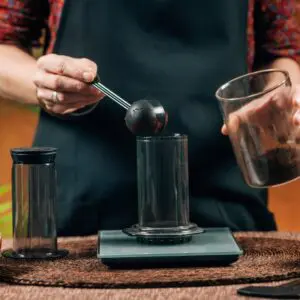
3. You’re Underestimating the Importance of Water
Coffee may receive most of the attention, but water makes up the majority of what’s actually in your cup.
That makes water quality an important part of the brewing process.
If your tap water has a noticeable taste or odor, those qualities may carry over into your coffee. Using filtered water can provide a more neutral starting point and allow the characteristics of the coffee to come through more clearly.
Water temperature can also influence extraction.
For many brewing methods, a temperature between 195°F and 205°F is a useful starting range. Water that is too cool may not extract enough flavor, while excessively hot water can contribute to an unpleasant cup.
You don’t necessarily need to use a thermometer every morning. If you’re boiling water for a manual brewing method, allowing it to rest briefly before pouring can help bring the temperature down.
When you’ve invested in quality coffee, paying attention to the water is worth the extra effort.
4. You’re Not Protecting Your Coffee’s Freshness
Coffee doesn’t suddenly become unusable after you open the package, but its aroma and flavor can gradually change when it is exposed to the environment.
Oxygen, moisture, heat, and light can all affect coffee over time. Ground coffee deserves particular attention because more surface area is exposed to the air.
That’s why proper storage matters.
After brewing Café Delicioso®, close the package securely and store it in a cool, dry, dark place. An airtight container can provide additional protection if you prefer to transfer the coffee from its original packaging.
You may also want to reconsider keeping your everyday coffee in the refrigerator. Repeatedly moving coffee between cold storage and room temperature can expose it to moisture, while nearby foods may introduce unwanted odors.
For most everyday routines, a sealed package or container stored in a cool cabinet is a practical solution.
Treat storage aspart of thebrewing process. The way you care for your coffee today can influence the cup you prepare tomorrow.

5. You’re Forgetting to Clean Your Coffee Equipment
Here’s a question many coffee drinkers would rather avoid:
When was the last time you thoroughly cleaned your coffee maker?
Coffee naturally leaves behind oils and residue, while minerals from water can accumulate inside brewing equipment over time. Even when your coffee maker looks clean, buildup may still affect the flavor of your coffee.
Regular cleaning helps prevent old residue from interfering with a fresh brew.
Pay attention to equipment such as:
- Coffee pots
- Reusable filters
- French presses
- Pour-over equipment
- Espresso machine components
- Travel mugs and reusable cups
Always follow the manufacturer’s instructions when cleaning your specific coffee maker or brewing equipment.
This is especially important when you’re drinking coffee with subtle flavor characteristics. Café Delicioso® has natural notes of chocolate, caramel, and honey, and those are the flavors we want you to notice.
Yesterday’s coffee residue shouldn’t compete with today’s cup.
6. You’re Letting Brewed Coffee Sit for Too Long
Brewing a large pot in the morning can seem like an efficient way to prepare for the day. The problem begins when that same coffee sits on a hot plate for several hours.
Brewed coffee continues to change after preparation.
Extended exposure to heat can alter its aroma and flavor, sometimes creating a cup that tastes stale, harsh, or more bitter than it did when freshly brewed.
Whenever possible, prepare an amount you’re likely to drink while it’s still fresh.
If you want another cup several hours later, consider brewing a smaller fresh batch. Another option is transferring your coffee to an insulated thermal carafe, which can help maintain its temperature without leaving it over direct heat.
You don’t always need a new brewing technique to make better coffee.
Sometimes you simply need to drink it sooner.
7. You’re Not Paying Attention to What’s Inside the Bag
Brewing technique matters, but so does the coffee you begin with.
Origin, coffee species, roast level, processing, and freshness can all influence what you experience in the cup. Understanding these details can also help you choose a coffee that matches the flavors you enjoy.
That’s why we believe coffee drinkers should know what’s inside their bag.
Café Delicioso® is made with 100% Arabica coffee sourced from Alta Mogiana, Brazil, through Cocapec. Our coffee is medium-dark roasted in Brazil and has natural tasting notes of chocolate, caramel, and honey.
Those details aren’t simply information for the package. They give you clues about what you can expect when you brew the coffee.
The next time you’re shopping for coffee, look beyond the name on the front of the bag.
Where was the coffee grown? What type of coffee is it? What’s the roast level? What flavor notes should you expect?
The more you understand about the coffee you’re buying, the easier it becomes to recognize what you’re tasting.
How Should You Brew Café Delicioso®?
There isn’t one perfect way to enjoy Café Delicioso® because personal preference plays an important role in coffee.
Some people want a classic hot cup in the morning. Others prefer a stronger preparation or enjoy adding milk. And when the weather gets warmer, iced coffee may be exactly what you’re craving.
Rather than chasing a single “correct” preparation, pay attention to how changes in your brewing routine affect the final cup.
If your coffee tastes too strong, adjust the amount of coffee or water. If the flavor seems weaker than you prefer, experiment with the ratio. You can also explore different temperatures and brewing times.
The goal is to find the preparation that allows you to enjoy the characteristics of the coffee while creating a cup that suits your personal taste.

What Should Café Delicioso® Taste Like?
When you brew Café Delicioso®, expect a cup with a rich aroma, full body, and smooth character.
Then look for the natural sweetness.
You may notice chocolate first, followed by caramel and a softer honey-like sweetness.
These are tasting notes rather than added flavors. They describe characteristics that occur naturally in the coffee and become noticeable through growing, processing, roasting, and brewing.
Your preparation can influence how clearly you experience those characteristics.
That’s one reason experimenting with coffee can be so rewarding. A small adjustment to your routine may help you notice something in the cup that you missed before.
Frequently Asked Questions
1.) Why does my coffee taste bitter?
Several factors can contribute to bitterness, including brewing time, temperature, and leaving brewed coffee over direct heat for too long.
Rather than changing everything at once, adjust one part of your brewing routine and compare the results.
2.) Why does my coffee taste weak?
Start by checking your coffee-to-water ratio. Using too much water or too little coffee can produce a cup that tastes weaker than you expected.
Consistent measurements can make it easier to identify the ratio you prefer.
3.) What’s the best way to brew Café Delicioso®?
The best preparation depends on your personal preference and brewing equipment.
Café Delicioso® can be enjoyed as a traditional hot coffee, served over ice, paired with milk, or incorporated into coffeehouse-style drinks.
4.) What flavors should I taste in Café Delicioso®?
Our Brazilian Arabica has natural tasting notes of chocolate, caramel, and honey, along with a rich aroma and full-bodied profile.
The exact flavors you notice can also depend on your brewing method and personal palate.
5.) Can I drink Café Delicioso® with milk?
Absolutely.
Our medium-dark roast has a rich body and natural chocolate, caramel, and honey notes that can complement milk well.
How you enjoy your coffee ultimately comes down to personal preference.
6.) Can I drink Café Delicioso® over ice?
Yes. Café Delicioso® can also be enjoyed cold.
Because our coffee has a rich, full-bodied profile, it can maintain its character when served over ice or paired with milk.
A Better Morning Cup Starts With the Details
The next time you prepare Café Delicioso®, take an extra moment before that first sip.
Notice the aroma and body. Pay attention to the sweetness. See if you can identify the natural chocolate, caramel, and honey notes.
Then adjust your brewing routine until you’ve found the cup that tastes right to you.
Once the coffee reaches your kitchen, you become the alchemist, using water, temperature, and technique to bring out the flavors in every cup.