The Best Sustainable Coffee Brands of 2026: A Guide to Your Conscious Cup
Standing in the coffee aisle can feel overwhelming. You’re faced with a wall of confusing labels-Organic, Fair Trade, Bird-Friendly-all while wondering if you’re truly making a difference. You want a delicious cup of joy, but you refuse to settle for a coffee that compromises your values. This search for the best sustainable coffee brands 2026 has to offer can leave you feeling frustrated, worried that an ethical choice means sacrificing exceptional flavor or paying a premium price.
It doesn’t have to be this way. This guide is here to bring clarity and confidence back to your coffee ritual. We believe nothing should come between you and your perfect, conscious cup. We’ll break down what sustainability truly means-from regenerative farming to production crafted with compassion-and introduce you to our top picks that deliver incomparable taste. Get ready to feel good about every single sip, knowing your purchase supports both people and the planet.
Key Takeaways
- Move beyond buzzwords by learning the three core pillars that define a truly sustainable coffee, from the farm to your cup.
- Confidently navigate certifications and labels to ensure the coffee you choose is genuinely making a positive impact on people and the planet.
- Discover our curated list of the top sustainable coffee brands 2026, each chosen for its outstanding commitment to quality and compassion.
- Learn how your choices at home, from packaging to brewing methods, play a powerful role in creating a more sustainable coffee ritual.
What Truly Makes a Coffee Brand Sustainable in 2026?
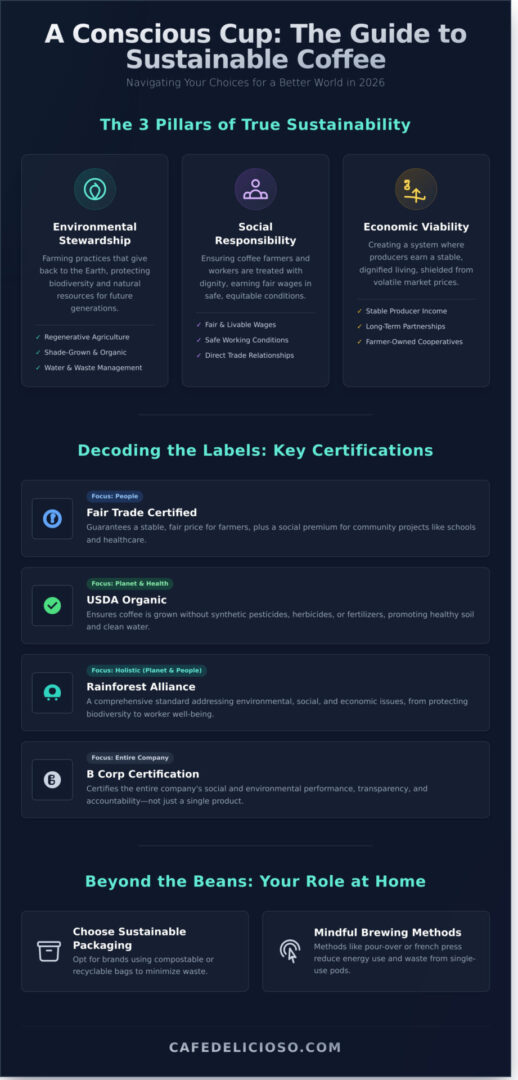
The word “sustainable” is more than just a label on a bag. It’s a promise. As we search for the best sustainable coffee brands 2026, it’s crucial to understand what this promise truly means. It’s not about a single action, but a compassionate balance of three core pillars working in harmony. For a complete Sustainable coffee overview, it’s clear that true sustainability creates a system where the planet, its people, and the coffee itself can thrive for generations to come.
Pillar 1: Environmental Stewardship (Love for the Land)
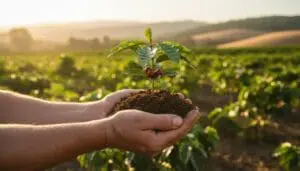
This pillar is about giving back more to the earth than we take. It begins with regenerative agriculture-farming practices that actively improve soil health and encourage biodiversity. This means championing pesticide-free, organic methods and shade-grown coffee, where plants flourish under a natural forest canopy that provides a vital habitat for local wildlife. It also includes responsible water conservation and waste management right at the farm level, ensuring a lighter footprint on our planet.
Pillar 2: Social Responsibility (Love for the People)
Exceptional coffee is grown by exceptional people. True sustainability ensures that farmers and workers are treated with dignity, earning fair, livable wages in safe working conditions. Ethical sourcing is about investing in communities, not just buying from them. While certifications like Fair Trade provide an important baseline, many brands now build Direct Trade relationships, fostering greater transparency and allowing them to pay a premium directly to the farmers who make your cup of joy possible.
Pillar 3: Economic Viability
For any system to be sustainable, it must be profitable for those at its very heart: the coffee producers. This pillar ensures that farmers can earn a stable and dignified living from their incredible craft. Long-term partnerships between growers and roasters create economic security, shielding small farms from volatile market prices. Farmer-owned cooperatives also play a key role, giving producers more market power. This economic stability is what guarantees we can all enjoy authentic, high-quality coffee for years to come.
When these three pillars are in balance, the result is more than just a delicious cup. It’s a product crafted with compassion that you can feel good about. The leading sustainable coffee brands 2026 will be those that transparently champion this holistic vision, ensuring every sip contributes to a better world.
Decoding the Labels: Your Guide to Sustainable Coffee Certifications
Walking down the coffee aisle can feel overwhelming. The bags are covered in logos and seals, but what do they truly mean for your cup of joy? Think of these labels not as confusing jargon, but as trusted guides. Certifications are a promise, verified by an independent third party, that a brand is genuinely committed to its claims of ethical and environmental responsibility. They help you vote with your wallet for a better world.
Here’s a simple breakdown of the most common certifications you’ll see as you search for the best sustainable coffee brands 2026, empowering you to make a choice that feels as good as it tastes.
Fair Trade Certified
This label is all about people. It ensures that farmers receive a fair, stable price for their coffee, protecting them from volatile market shifts. More than just a minimum price, it includes a “social premium”-an extra sum of money designated for community projects like building schools, improving healthcare, or investing in better farming equipment. Choosing Fair Trade is a direct way to support farmer livelihoods and promote social equity at the source.
USDA Organic
Focused on the health of the land and your body, the USDA Organic seal is a powerful guarantee. It means the coffee was grown without the use of synthetic pesticides, herbicides, or fertilizers. This commitment to natural farming practices helps build healthy soil, protect water sources from chemical runoff, and ensures the coffee you drink is pure and clean. It’s a choice for a healthier planet and a healthier you.
Rainforest Alliance
The little green frog seal represents a comprehensive approach to sustainability. The Rainforest Alliance certification addresses environmental, social, and economic issues together. It signifies that the coffee was produced on farms that protect biodiversity, conserve forests and natural resources, and promote the well-being of workers and their communities. It’s a holistic standard for brands truly dedicated to a thriving planet.
B Corp Certification
Unlike other labels that certify a specific product, B Corp certifies the entire company. This is a high bar for businesses to clear. To become a Certified B Corporation, a company must undergo a rigorous assessment of its total impact on its workers, customers, community, and the environment. It’s a mark of exceptional transparency and accountability, showing a deep, company-wide commitment to using business as a force for good.
While these certifications are invaluable, it’s also worth noting that some exceptional small-batch roasters use a Direct Trade model. They build personal relationships with farmers, often paying well above Fair Trade minimums, but may not have a formal seal. These certifications and models are all part of the larger effort in coffee industry sustainability, giving you more power than ever to support the sustainable coffee brands 2026 that align with your values.
Our Top Picks: The 7 Best Sustainable Coffee Brands of 2026
Navigating the world of ethical coffee can be complex, with a growing number of labels and claims. Understanding the various sustainable coffee certifications is a great first step, but we’ve gone further to curate a list that balances profound impact with an exceptional taste experience. After extensive tasting and research, we’ve identified the top sustainable coffee brands 2026 that truly deliver on their promises. From regenerative farming pioneers to worker-owned cooperatives, these companies are crafting a better future, one delicious cup at a time.
Café Delicioso: Best for Regenerative Brazilian Coffee
Café Delicioso offers more than just your cup of joy; it delivers a bold statement in sustainability. Sourced directly from the lush Alta Mogiana region in Brazil, their single-origin beans are the product of pesticide-free, regenerative farming that actively heals the land. This ‘Crafted with Compassion’ approach ensures that every bean is not only premium in quality but also supports the farmers and ecosystems behind it. For those seeking a rich, authentic Brazilian coffee with a conscience, this is the brand to watch. Experience a truly delicious and conscious cup.
Verde Harvest Coffee: Best for Direct Trade Partnerships
Verde Harvest Coffee stands out for its unwavering commitment to direct trade, forging genuine partnerships with smallholder farmers across Latin America and Africa. By circumventing intermediaries, they ensure growers receive truly equitable compensation, empowering communities and fostering sustainable agricultural practices. Their meticulously sourced, organic beans are a testament to quality, delivering exceptional flavor profiles that reflect the unique terroirs and the care put into every harvest. Choosing Verde Harvest means investing directly in the livelihoods of farmers and the health of our planet, one delicious cup at a time.
Kicking Horse Coffee: Best for Organic Dark Roasts
For those who love a bold, kick-in-the-pants cup, Kicking Horse Coffee delivers. Roasted in the Canadian Rocky Mountains, every bag is 100% certified organic and Fair Trade. They are masters of the dark roast, creating blends that are smoky, sweet, and audaciously flavorful without a hint of bitterness. Their commitment extends beyond the beans to sustainable business practices that respect their pristine mountain home, making every sip feel wild and responsible.
Larry’s Coffee: Best for B Corp Certified Innovation
Larry’s Coffee proves that sustainability is about more than just sourcing. As a certified B Corporation, they meet the highest standards of social and environmental performance. Their roastery is a marvel of green innovation, utilizing passive solar design, rainwater harvesting, and other creative solutions to minimize their footprint. This passion for innovation shines through in their coffee, which often features unique and experimental blends for the adventurous coffee drinker.
Beyond the Beans: How Packaging & Brewing Affect Your Coffee’s Footprint
Your commitment to sustainability doesn’t end when you choose an ethically sourced coffee. In fact, that’s just the beginning of the story. The choices you make in your own kitchen-from the packaging you select to the way you brew your daily cup of joy-play a powerful role in completing the circle of compassion. The leading sustainable coffee brands 2026 are those whose mission inspires conscious choices long after the beans have left the farm, empowering you to make a difference with every cup.
Choosing Eco-Friendly Packaging
Many traditional coffee bags are made of non-recyclable, multi-layer plastics and foils. Look for conscientious brands that share your love for the land by using fully compostable or biodegradable bags. Buying premium whole beans in bulk or choosing packaging made from post-consumer recycled materials are simple, impactful ways to reduce waste and honor the exceptional coffee inside. Every thoughtful choice matters.
Sustainable Brewing Methods at Home
For many, the home coffee ritual is the foundation for a day of remote work, online learning, or connecting with loved ones. Just as you seek quality in your coffee, ensuring a high-quality connection can enhance your entire home experience. If you’re looking to upgrade, you can explore Fibre Internet Packages to find a reliable service.
Crafting an authentic coffee at home can be both an art and an act of stewardship. By adopting a low-waste ritual, you ensure the integrity of the bean is matched by the integrity of your brew. Here are a few simple ways to make your coffee routine more eco-friendly:
- Embrace Reusable Filters: Brewing methods like French press, pour-over, and Moka pot avoid paper filters and plastic pods, creating zero waste beyond the grounds themselves.
- Rethink Single-Use Pods: If you love the convenience, switch to a reusable stainless steel pod. You can fill it with your favorite freshly ground coffee, drastically reducing plastic waste while improving taste.
- Grind with Purpose: Using a quality burr grinder for whole beans not only unlocks incredible flavor but also eliminates the packaging waste associated with pre-ground coffee.
- Give Back to the Earth: Don’t throw away your used grounds! They are a nitrogen-rich powerhouse for your compost pile or garden, directly nourishing the soil that gives us so much.
By aligning your home ritual with the values of the sustainable coffee brands 2026 you support, you ensure every sip is filled with purpose. It’s about creating more smiles and less settling, a philosophy we cherish at Café Delicioso.
Your Conscious Coffee Journey Starts Now
Choosing your morning coffee has become a powerful act of consciousness. As we’ve explored, true sustainability goes beyond a simple certification; it’s a deep commitment to ethical farming, fair wages, and a minimal environmental footprint from bean to brew. As you navigate the world of sustainable coffee brands 2026, remember that every purchase can support the health of our planet and the well-being of its people.
If you’re ready to experience a coffee that aligns with your values without compromising on quality, we invite you to try Café Delicioso. We believe in More Smiles. Less Settling. Our authentic single-origin Arabica from Brazil is sourced from 100% regenerative, pesticide-free farms, delivering an exceptional taste that’s good for you and great for the world. Discover Café Delicioso – a cup of joy crafted with compassion.
Make your next coffee ritual one that you can feel truly good about. Your perfect cup is waiting.
Frequently Asked Questions About Sustainable Coffee
What is the difference between sustainable, ethical, and organic coffee?
These terms often overlap but have distinct meanings. Sustainable coffee is a broad term covering environmental, social, and economic practices for long-term viability. Ethical coffee focuses specifically on the human element, ensuring fair wages and safe conditions for farmers and workers. Organic coffee refers to farming methods that prohibit synthetic pesticides and fertilizers, certified by bodies like the USDA. A brand can be one without being the others, but the best brands often strive for all three.
Is sustainable coffee more expensive than regular coffee?
Often, yes, but this price reflects its true value. The higher cost supports living wages for farmers, funds environmentally friendly practices like shade-grown agriculture, and covers rigorous third-party certifications. When you choose from the best sustainable coffee brands 2026, you are investing in a system that protects our planet, empowers communities, and delivers a higher-quality product. It’s about paying a fair price for a truly exceptional cup of joy.
How can I tell if a coffee brand is ‘greenwashing’?
Look for transparency and specific proof. Greenwashing involves vague claims like “eco-friendly” or “all-natural” without evidence. A genuinely sustainable brand will openly share details about its supply chain, partner farms, and impact reports. Look for credible, third-party certifications like Fair Trade, Rainforest Alliance, or B Corp on their packaging and website. If a company can’t tell you exactly where its beans come from, be skeptical.
Does sustainable coffee taste better?
In many cases, it absolutely does! Sustainable farming practices, such as growing coffee in the shade of a diverse forest canopy, allow the coffee cherries to ripen more slowly. This process develops richer, more complex, and nuanced flavors in the final bean. The immense care for soil health and biodiversity directly translates into a higher-quality and more delicious cup of coffee. It’s a taste you can feel great about.
Where can I find more details about Café Delicioso’s sourcing and farming practices?
We believe your cup of joy should be crafted with compassion and transparency. Our premium beans are responsibly sourced directly from our partners at the Cocapec cooperative in Brazil’s esteemed Alta Mogiana region. We are committed to pesticide-free, regenerative farming that shows our deep love for the land and its people. You can explore our complete story, from bean to brew, on the “Our Sourcing” page of our website.
What is the most environmentally friendly way to brew coffee at home?
The most eco-friendly methods minimize waste and energy use. A French press, Moka pot, or a pour-over cone with a reusable metal filter are fantastic choices because they eliminate the need for single-use paper filters. For an even lower energy option, consider making cold brew, which requires no heat. Don’t forget to complete the cycle by composting your used coffee grounds to enrich your garden soil!