What Makes Brazilian Coffee Unique: A Deep Dive into Flavor and Heritage
Most coffee drinkers consume Brazilian beans every morning without ever experiencing the soul of the region. It’s a common mistake to view this origin as just a source for bulk fillers; however, that overlooks the incredible craftsmanship found in specialty lots. Understanding what makes brazilian coffee unique requires looking beyond the massive harvest numbers to the specific microclimates that produce world-class flavor.
You’ve likely felt the frustration of choosing between a cheap supermarket blend and a bag of beans covered in confusing technical jargon. We believe you shouldn’t have to settle for anything less than a transparent, premium experience. This guide will show you how the high altitudes of the Alta Mogiana region and traditional natural processing methods create the smooth, nutty profile you love. We’ll also explain how our commitment to pesticide-free farming and ethical labor through the Cocapec cooperative ensures every sip is crafted with compassion. You’re about to learn how to identify authentic quality so you can enjoy more smiles and less settling with your daily ritual.
Key Takeaways
- Identify the signature low acidity and rich notes of chocolate and toasted nuts that define a premium cup.
- Understand exactly what makes brazilian coffee unique by exploring the high altitude soils and climate of the prestigious Alta Mogiana region.
- Discover how the traditional natural processing method preserves fruit sugars to create an incomparable body and natural sweetness.
- Master the art of selecting the best beans by looking for single origin labels and recent roast dates to ensure peak freshness.
- Explore how regenerative farming and ethical production turn a simple morning ritual into a compassionate celebration of Brazilian heritage.
Understanding the Unique Profile of Brazilian Coffee
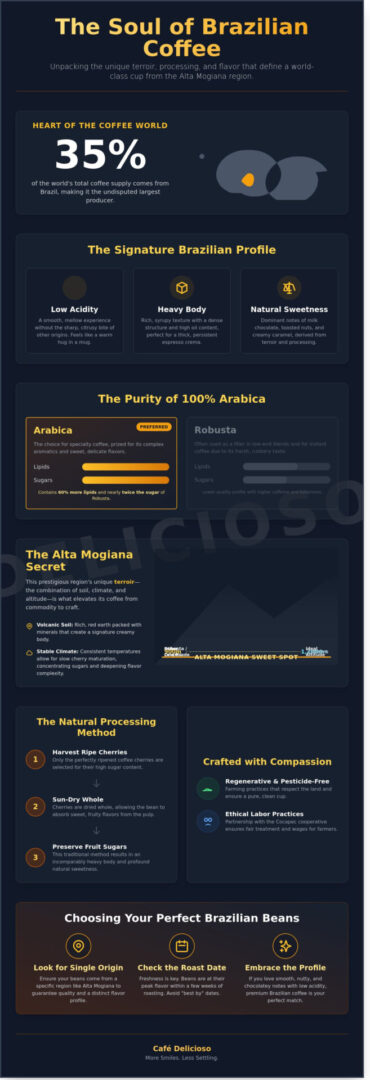
Brazil is the undisputed heart of the global coffee industry. It currently accounts for approximately 35 percent of the world’s total supply. This massive scale is a fundamental part of what makes brazilian coffee unique. While the country produces a staggering volume of beans, the real magic happens in the diversity of its landscape. The Brazilian profile is defined by a low acidity, a heavy body, and a comforting natural sweetness. Unlike the sharp, citrusy notes found in high-altitude volcanic soils, Brazilian beans offer a mellow experience that feels like a warm hug in a mug. This approachable nature is exactly why we call it your cup of joy.
The flavor palette of a standard Brazilian bean is remarkably consistent and satisfying. You will typically find dominant notes of milk chocolate, toasted nuts, and creamy caramel. These flavors are a direct result of the country’s unique terroir and processing traditions. From the sprawling estates to specialized micro-lots, the focus remains on creating a smooth, “deliciously strong” experience. Historical data from Coffee production in Brazil shows that the industry has evolved from simple commodity farming to a sophisticated system that prizes quality and ethical production. At Café Delicioso, we lean into this heritage to ensure you never have to settle for a mediocre morning ritual.
The Signature Taste of the Brazilian Bean
Brazilian coffee is the essential backbone of the world’s finest espresso blends. Its high oil content and dense structure produce a thick, persistent crema that other origins cannot easily replicate. The science behind this low acidity is tied to moderate altitudes. Most Brazilian coffee grows between 800 and 1,200 meters above sea level. These elevations allow the beans to develop a heavy mouthfeel and a rich, syrupy texture. This creamy sensation sets it apart from the bright, tea-like qualities of African coffees or the fruity snap of Central American varieties. It provides a stable, reliable base that anchors more volatile flavors in a blend.
Arabica vs Robusta in the Brazilian Landscape
The distinction between bean types is crucial for any coffee lover. Brazil grows both Arabica and Robusta, but the quality difference is significant. Industrial-grade Robusta is often used for instant coffee or low-end fillers. However, Café Delicioso uses only 100 percent pure Arabica to provide a premium experience. Arabica beans contain approximately 60 percent more lipids and nearly twice the sugar concentration of Robusta beans. This chemical composition is a key factor in what makes brazilian coffee unique when sourced from specialty regions like Alta Mogiana.
Our commitment to “More Smiles. Less Settling.” means we prioritize variety selection. Varieties like Bourbon and Mundo Novo are prized for their deep sweetness and lack of bitterness. This selection process reflects our “Love for the Process” and our dedication to “Crafted with Compassion.” By choosing only high-quality Arabica, we ensure that every sip supports regenerative farming and ethical labor practices. You aren’t just drinking coffee; you are participating in a tradition of quality that respects both the land and the people who harvest it.
The Role of Terroir and the Alta Mogiana Secret
Terroir is the coffee fingerprint. It is the invisible force that shapes a bean’s DNA, combining the unique characteristics of the soil, the specific altitude of the landscape, and the local climate. Understanding this environmental harmony is the first step in discovering what makes brazilian coffee unique. While Brazil is a vast country with diverse growing regions, the Alta Mogiana region stands out as a true jewel in the crown of specialty production.
The Alta Mogiana region is situated on a high plateau with altitudes ranging between 900 and 1,200 meters above sea level. This elevation is critical because it provides temperature stability. In this environment, coffee cherries don’t rush to ripen. They take their time, allowing sugars to concentrate and flavors to deepen. This slow maturation process creates a complexity that lower-altitude beans simply cannot replicate. The volcanic soil provides the essential nutrients and drainage that define what makes brazilian coffee unique compared to beans grown in flatter, less mineral-dense areas.
This commitment to excellence is reflected in the latest USDA coffee production report, which highlights how Brazilian farmers continue to lead the world in sustainable, high-quality output. The rich, red earth of Alta Mogiana is packed with minerals that give the coffee its signature body and creamy mouthfeel. It is a place where nature and tradition work together to produce something truly incomparable.
Why Alta Mogiana Produces Superior Beans
The secret to the superior quality of these beans lies in the balance of altitude and rainfall. Alta Mogiana receives consistent precipitation that prevents the harsh, biting acidity often found in other high-altitude coffees. Instead, you get a smooth, balanced cup with natural sweetness. The region is also home to the Cocapec cooperative. Founded in 1985, this organization supports over 2,000 member farmers, ensuring that every bag of coffee meets rigorous quality standards through shared knowledge and regenerative farming practices.
When you taste a bean from this Sao Paulo region, the sensory profile is unmistakable. Expect deep notes of milk chocolate, toasted nuts, and a hint of caramel. It is a flavor that feels like a warm hug. This consistency is why we have such a deep love for the process and the people behind it. You can experience this legacy yourself by trying our authentic Brazilian blends that bring this specific terroir directly to your kitchen.
Climate and Harvesting Traditions
The weather patterns in Alta Mogiana are perfectly suited for specialty Arabica. The region experiences distinct wet and dry seasons. The wet season encourages vibrant flowering, while the dry season provides the ideal window for harvesting. This natural rhythm is essential for the health of the trees and the quality of the yield. Because the harvest occurs during the driest months, farmers can process the cherries without the risk of mold or fermentation issues caused by unexpected rain.
Traditional harvesting methods remain a priority here to preserve the integrity of the coffee cherry. Farmers often use selective harvesting to ensure only the densest, ripest cherries are picked. This attention to detail ensures that every cup of joy you brew is free from the bitterness of under-ripe beans. You can read more about our specific region and the families we work with on our coffee page. By respecting these ancient traditions and the land they come from, we ensure that you get more smiles and less settling with every sip.
Natural Processing and Regenerative Farming Methods
The secret to a truly exceptional cup of coffee lies in how the cherry is handled once it leaves the tree. In Brazil, the natural process, also known as the dry process, is the traditional signature of the land. This method is a primary factor in what makes brazilian coffee unique. Instead of using heavy machinery to strip the fruit away immediately, farmers allow the coffee cherries to dry whole. This patience pays off in the final flavor profile. As the cherries sit under the South American sun, the natural sugars in the fruit mucilage concentrate and migrate into the green bean inside. This creates the heavy body and those signature nutty, chocolatey notes that fans of Café Delicioso crave. It’s a slow, deliberate transformation that honors the bean’s origin.
The Art of the Natural Process
Processing coffee without massive amounts of water is both a traditional choice and an environmental necessity. The beans are spread across large concrete or brick patios called terreiros in thin layers. Workers rake them several times a day to ensure even drying and prevent unwanted fermentation. This labor-intensive cycle usually lasts between 15 and 25 days until the moisture content hits a precise 11.5 percent. By avoiding the washing process, we preserve the bean’s integrity and reduce water waste by thousands of gallons per harvest. This method enhances the natural sweetness and creamy mouthfeel that defines Brazil’s specialty coffee standards. It’s a meticulous craft that turns a simple seed into a cup of joy, requiring constant attention to weather patterns and humidity levels.
Restoring the Land Through Regenerative Practices
We believe that high-quality coffee shouldn’t come at the expense of the earth. Our approach focuses on regenerative farming, a step beyond standard organic labels. This philosophy aims to actually heal the ecosystem rather than just maintaining it. By using cover crops and natural compost instead of chemical fertilizers, farmers in the Alta Mogiana region have seen soil organic matter increase by 20 percent in recent years. These healthy soils act as carbon sinks, helping to combat climate change while producing a more resilient crop. Pesticide-free cultivation ensures that every sip is clean and vibrant, protecting both the consumer and the local wildlife.
Regenerative techniques don’t just help the planet; they directly improve the density and nutrient profile of the coffee bean. Richer soil leads to a more complex cherry. By eliminating synthetic pesticides, we ensure the delicate oils in the Arabica beans remain untainted, offering a pure taste that reflects the true terroir of Brazil. Our deep commitment to the land is detailed in our mission, where we outline how we prioritize the environment in every step of our journey. When you choose coffee grown this way, you’re supporting a system that values the planet as much as the pour. It’s about more smiles and less settling for destructive industrial norms. This holistic cycle of care is ultimately what makes brazilian coffee unique in a crowded global market. We don’t just harvest; we restore.
How to Choose and Brew Premium Brazilian Coffee
Finding the right bag requires looking beyond a generic “Product of Brazil” stamp. To truly understand what makes brazilian coffee unique, you have to look for the Alta Mogiana region on the label. This specific area, sitting at altitudes between 900 and 1,200 meters, produces beans with a distinct natural sweetness and low acidity that generic blends simply can’t replicate. When you choose single origin beans from this region, you’re tasting the specific soil and climate of a world class coffee micro-climate. Generic blends often mix high-quality beans with lower-grade fillers, which mutes the vibrant nutty and chocolate profiles we love. At Café Delicioso, we believe in More Smiles. Less Settling. That starts with knowing exactly where your beans grew.
Freshness is the next non-negotiable factor. Always check the bag for a specific roast date rather than an expiration date. Ideally, you should consume your coffee within 14 to 30 days of roasting. After the 30-day mark, the essential oils that carry the flavor and aroma begin to oxidize, leading to a flat or woody taste. This is why we prioritize small-batch roasting; it ensures those volatile compounds remain intact until they hit your cup. It’s the difference between a dull morning routine and a genuine cup of joy that jumpstarts your day with intensity and flavor.
Identifying Quality in the Coffee Aisle
Specialty grade coffee isn’t just a marketing term; it’s a technical classification. For a bean to be specialty grade, it must earn a score of 80 or higher from the Specialty Coffee Association (SCA). Commodity coffee often hides defects behind oily, dark roasts, but specialty Brazilian beans shine through careful processing. Look for labels indicating EUDR compliance. This ensures your coffee doesn’t contribute to deforestation, meeting strict 2024 environmental standards. Choosing pesticide free options also protects your health while supporting regenerative farming. Our partnership with the Cocapec cooperative ensures every bean meets these rigorous quality benchmarks, reflecting our Love for the Land and our Love for the Process.
Brewing Techniques for the Perfect Cup
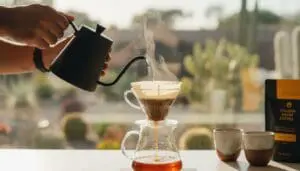
The brewing method you choose acts as a magnifying glass for specific flavor profiles. If you love a heavy body with deep chocolate notes, reach for your French Press. Use a coarse grind, similar to the texture of sea salt, and let it steep for exactly 4 minutes. This method extracts the natural oils that provide that signature creamy mouthfeel what makes brazilian coffee unique to many enthusiasts. For those who prefer a cleaner finish, a drip machine or pour-over highlights the delicate caramel sweetness found in our Arabica beans. Use a medium grind and a 1:16 coffee-to-water ratio to achieve perfect balance. For more tips on preparation, visit our FAQ section.
Ethical sourcing is the final piece of the puzzle. We prioritize beans that are Crafted with Compassion, meaning the people behind the harvest are treated with the respect they deserve. Over 100% of our sourcing comes from farms that provide fair wages and safe working conditions. Our Love for the People drives us to work directly with cooperatives that reinvest in their local communities. When you buy ethically, you aren’t just getting a better product; you’re supporting a sustainable ecosystem that ensures Brazilian coffee remains exceptional for generations to come. Taste the difference in quality without compromise and feel good about every sip.
Experience the bold flavor of responsibly sourced, premium beans by visiting Café Delicioso today.
The Café Delicioso Difference: Crafted with Compassion
At Café Delicioso, we view every bean as a celebration of Brazilian heritage. Our approach centers on ethical production and a deep respect for the traditions that have made this region the global leader in coffee for over 150 years. We bridge the gap between premium quality and everyday affordability because we believe everyone deserves a superior morning ritual. When asking what makes brazilian coffee unique, the answer lies as much in the soul of the producers as it does in the rich soil of the highlands. Every bag we ship represents a love for the people, the land, and the meticulous process of harvesting.
Our coffee is designed to be a “cup of joy” that serves as a reliable anchor for your daily routine. We use a traditional dry-processing method, where the coffee cherry dries while still surrounding the bean. This technique infuses the coffee with a heavy body and a creamy mouthfeel that is distinct to the region. It’s a significant factor in what makes brazilian coffee unique and why our customers consistently describe our roasts as deliciously strong yet incredibly smooth. We don’t believe in settling for mediocre flavor, and our commitment to quality ensures you never have to.
Love for the People and the Land
Our ethical labor practices are the foundation of our business. We partner with the Cocapec cooperative, supporting a network of over 2,000 farmers who receive fair compensation for their expertise. This direct relationship ensures that the wealth generated by your morning cup stays within the local Brazilian farming communities, providing stability and growth. We also maintain strict EUDR compliance. This means 100 percent of our coffee is traced back to farms that have avoided deforestation since the December 31, 2020, cutoff. By paying premiums above the standard market rate, we empower these families to invest in regenerative farming techniques that improve soil health. We believe in more smiles and less settling, ensuring your coffee habit supports a healthier planet and a thriving community.
Bringing the Joy of Brazil to Your Home
Maintaining peak freshness is our priority. Our beans are sourced from the Alta Mogiana plateau, where altitudes ranging from 900 to 1,250 meters produce a naturally sweet and nutty profile. By streamlining our supply chain, we ensure these beans travel from the plateau to your doorstep with their aromatic oils intact. We choose compassion over corporate profit by keeping our specialty-grade Arabica accessible to the average household. This allows you to experience the bold statement of strong Brazilian coffee without compromise. We’ve rejected the traditional corporate model that prioritizes shareholder dividends over product integrity. Instead, we focus on delivering a “happy place” in every cup through small-batch roasting that preserves complex notes of chocolate and toasted nuts. Ready to taste the difference? Shop our collection now.
Elevate Your Morning Ritual with Authentic Brazilian Beans
Your journey through the lush hills of the Alta Mogiana region reveals why these beans stand apart. By sourcing directly from the Cocapec cooperative, we ensure every bag contains 100 percent Pure Arabica coffee that’s both pesticide free and fully EUDR compliant. Understanding what makes brazilian coffee unique involves more than just tasting the signature chocolatey notes; it’s about respecting the regenerative farming methods that protect the land for future generations. When you choose specialty beans grown at altitudes between 800 and 1,100 meters, you’re supporting a system built on ethical labor and incomparable quality.
Don’t settle for a mediocre cup when you can have a true cup of joy. Our commitment to Love for the People and Love for the Land means we never compromise on the integrity of our process or the flavor in your mug. It’s time to bring that bold, compassionate spirit into your home brewing routine. Experience the authentic taste of Alta Mogiana at Cafe Delicioso and see how much better your day feels with a brew that truly cares. You deserve a coffee that brings more smiles to your morning.
Frequently Asked Questions About Brazilian Coffee
Is Brazilian coffee considered low acid compared to other regions?
Yes, Brazilian coffee is naturally lower in acidity because the beans grow at lower altitudes, typically between 800 and 1,200 meters. These elevations produce a mellow bean with a smooth, chocolatey profile rather than the sharp, citrusy bite found in high-altitude African coffees. It’s an ideal choice for anyone who wants a gentle, stomach-friendly cup of joy.
Why is Brazil the largest coffee producer in the world?
Brazil has led global coffee production for over 150 years, currently providing about 35 percent of the world’s total supply. The country’s vast landscape and consistent tropical climate allow for efficient, large-scale farming on high-quality plateaus. This massive scale and reliable harvest are part of what makes brazilian coffee unique and globally accessible.
What is the best roast level for Brazilian coffee beans?
A medium to medium-dark roast is the best choice for Brazilian beans because it accentuates their natural notes of caramel and toasted nuts. Roasting to this level develops the internal sugars and creates a heavy, satisfying body. We roast our beans to highlight these bold flavors, ensuring you experience a premium cup that’s strong yet balanced.
Is all coffee from Brazil grown using pesticides?
No, many specialty producers in Brazil prioritize clean, sustainable farming practices. Café Delicioso only sources beans that are 100 percent pesticide-free and compliant with EUDR environmental regulations. We believe in regenerative farming and love for the land; so you can enjoy your coffee knowing it was grown with compassion and care.
What does the term natural process mean in Brazilian coffee?
Natural process means the coffee cherries are dried whole in the sun with the fruit still surrounding the bean. This traditional method allows the bean to absorb more sweetness and develops a creamy, full-bodied texture. It’s a water-efficient technique that reflects our love for the process and results in an authentic, traditional flavor profile.
How does Alta Mogiana coffee differ from other Brazilian regions?
Alta Mogiana is distinguished by its rich volcanic soil and altitudes reaching 1,000 meters, which is higher than many other Brazilian growing areas. This specific environment produces beans with an incomparable sweetness and a signature dark chocolate finish. By sourcing from the Cocapec cooperative, we tap into 50 years of regional expertise to bring you the very best.
Can I use Brazilian coffee for pour over brewing methods?
You can definitely use Brazilian beans for pour over if you prefer a rich, nutty brew over a bright or fruity one. The key is to use a medium grind and water heated to approximately 195 degrees to extract those deep cocoa notes properly. It’s a wonderful way to slow down and enjoy your favorite coffee ritual with a smoother, more comforting result.
Is Cafe Delicioso coffee 100 percent Arabica?
Yes, we use only 100 percent Arabica beans sourced directly from the Alta Mogiana region in Brazil. We don’t use Robusta fillers because we believe in providing a specialty experience without compromise. This dedication to quality is how we deliver more smiles and less settling in every single bag we ship to your door.