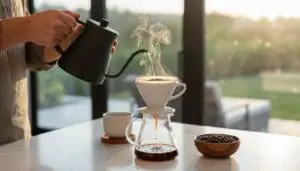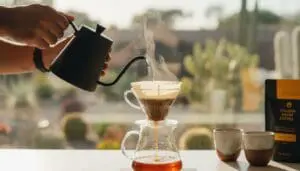
Choosing the Best Ground Coffee for Pour Over Brewing
Your expensive ceramic dripper cannot save a cup of coffee if the beans inside it are working against you. It’s a common frustration to invest in high-quality equipment only to end up with a brew that tastes bitter, thin, or inexplicably flat. When you choose the wrong ground coffee for pour over, you’re likely battling inconsistent extraction or a grind size that clogs your filter before the first pour is even finished. Technical data from the Specialty Coffee Association suggests that even a 10 percent variance in particle size can destroy the clarity and sweetness of a manual brew.
We agree that nothing should come between you and your morning cup of joy. You deserve a ritual that’s simple and rewarding, not a confusing guessing game at the grocery store. This guide will show you how to select the perfect roast and grind profile to ensure your manual brewing results in a vibrant, clean cup every time. By focusing on premium Brazilian Arabica from the Alta Mogiana region, you’ll learn to identify the markers of quality that lead to better extraction. We’re going to break down the science of grind consistency and explain why specific roast levels outperform others when using paper filtration.
Key Takeaways
- Learn why manual filtration requires a higher standard of bean quality than automatic machines to achieve a clean and vibrant flavor profile.
- Master the physics of extraction by selecting the perfect medium roast and ground coffee for pour over to ensure optimal water flow through your dripper.
- Discover how the unique characteristics of the Alta Mogiana region in Brazil provide the natural balance and sweetness needed for a professional cup.
- Explore essential techniques like the bloom phase and precise temperature control to protect the delicate notes of your premium Arabica beans.
- Understand how regenerative farming and ethical sourcing practices translate into a more flavorful and sustainable daily coffee ritual.
The Essentials of Choosing Ground Coffee for Pour Over
Pour over coffee represents the ultimate intersection of science and soul. It is a manual filtration method that requires patience, but the rewards are found in every nuanced sip. Unlike an automatic drip machine that showers water indiscriminately over a basket, the pour over process relies on a steady, controlled stream of water delivered by hand. This level of control means that the quality of your coffee particles is far more critical than in a standard machine. When you use ground coffee for pour over, every inconsistency in the grind or flaw in the bean is magnified by the transparency of the method. It is a process that demands quality without compromise.
The physics of extraction centers on the relationship between water contact time and the total surface area of the grounds. In a standard 300ml brew, the water typically stays in contact with the coffee for 3 to 4 minutes. If the grounds are too fine, the water stalls, leading to a bitter and over-extracted cup. If they are too coarse, the water rushes through, leaving behind a sour, thin liquid. Mastering Coffee brewing basics allows you to appreciate why precision matters. This manual technique is designed to achieve flavor clarity, a term used to describe a clean cup where you can distinctly taste the individual notes of the bean, from toasted nuts to bright citrus.
Understanding the Pour Over Process
Gravity is the engine of the pour over, but you are the conductor. As you pour, you create turbulence that agitates the grounds, ensuring each particle releases its flavor. The paper filter plays a vital role in this journey. It acts as a sophisticated barrier, trapping heavy oils and fine sediment that would otherwise cloud the brew. By removing these elements, the filter allows the delicate, floral, and acidic notes of a high-quality Brazilian Arabica to take center stage. This is why the method highlights subtle flavor notes better than a French press or an espresso machine. It produces a cup that is light, clean, and incredibly easy to drink, embodying our philosophy of More Smiles. Less Settling.
Freshness Standards for Pre Ground Coffee
Freshness is the heartbeat of a great cup of joy. Once coffee is ground, its surface area increases by more than 1,000 percent, which exposes it to rapid oxidation. Oxygen is the primary enemy of aroma; within 20 minutes of grinding, unprotected coffee can lose a significant portion of its volatile flavor compounds. To combat this, look for ground coffee for pour over that is housed in high-quality, multi-layer packaging. A one-way degassing valve is essential. This small piece of plastic allows carbon dioxide to escape while preventing oxygen from entering, preserving the integrity of the beans. We believe in Love for the Process, which means respecting the bean from the farm to your kitchen.
When shopping, always prioritize smaller quantities. Buying a 12-ounce bag that you can finish within 10 to 14 days is much better than purchasing in bulk. Before you head to the checkout, examine the label for specific details that prove the coffee was Crafted with Compassion. A trustworthy label should include:
- The Roast Date: Look for a specific date rather than a vague “Best By” window.
- The Specific Origin: Authentic coffee will name the region, such as Alta Mogiana, or the cooperative, like Cocapec.
- The Processing Method: Terms like “Natural” or “Pulped Natural” tell you how the fruit was removed, which directly impacts the sweetness of your brew.
By choosing coffee that is responsibly sourced and ethically produced, you are supporting regenerative farming and the people who dedicate their lives to the land. This commitment to quality ensures that your morning ritual remains a moment of genuine satisfaction and peace.
Why Medium Grind and Roast Matter for Manual Brewing
Manual brewing is an art that requires a deep respect for the bean. When you choose the right ground coffee for pour over, you’re not just making a drink; you’re honoring a process that started in the high-altitude fields of Alta Mogiana. The physics of the pour-over method rely on a delicate balance between water and surface area. For drippers like the Hario V60 or Kalita Wave, a medium grind creates the necessary resistance to slow down the water without trapping it. If the particles are too small, like a fine espresso grind, the water struggles to pass through. This results in a muddy bed and a cup that tastes unpleasantly bitter.
To master this technique, many enthusiasts follow a pour-over coffee guide to understand how gravity and flow rate interact. A medium grind typically looks like sea salt or coarse sand. This texture allows for an even extraction, ensuring the water pulls out the sugars and oils at a steady pace. It’s the secret to achieving that cup of joy we promise at Café Delicioso. We focus on the Love for the Process, ensuring every variable works in harmony to deliver a superior experience.
Roast level also dictates how water moves through your coffee bed. Darker roasts are more porous and brittle because they’ve spent more time in the roaster. They release their flavors almost instantly, which can lead to over-extraction if you aren’t careful. Medium roasts offer a more controlled release. They retain enough density to provide a structured flavor profile, allowing the water to extract sweetness and body without the harsh, carbonized notes found in oily, dark beans. Using a medium roast ground coffee for pour over ensures you get more smiles and less settling in your daily ritual.
The Impact of Grind Size on Extraction
Your brew time tells the story of your grind. An ideal extraction for a standard 12-ounce pour-over should take between three and four minutes. If your water disappears through the grounds in less than 120 seconds, the grind is too coarse. This leads to under-extraction, leaving you with a sour, thin, and disappointing cup. Conversely, if your timer hits five minutes and the water is still sitting in the dripper, your grounds are too fine. This over-extraction pulls out harsh tannins that mask the natural sweetness of the bean. We believe in quality without compromise, which means finding that perfect medium sweet spot for your morning brew.
Roast Profiles and Flavor Development
Roast level acts as the bridge between the land and your mug. Light roasts are celebrated for their high acidity and vibrant floral notes, but they can be difficult to extract properly with manual methods because of their high density. Dark roasts often bring a smoky, heavy profile that can overwhelm the clean, crisp nature of a pour-over. This is why medium roasts are the gold standard. They provide a balanced body and a rich sweetness that highlights the authentic specialty characteristics of Brazilian Arabica.
When you use a medium roast, you experience the incomparable chocolate and nutty undertones of the Alta Mogiana region. It’s a profile crafted with compassion for both the land and the drinker. If you’re ready to elevate your morning, you can explore our premium Brazilian roasts to find your new favorite flavor. This balance ensures you taste the difference in quality, delivering a smooth finish every single time.

The Brazilian Advantage: Flavor Profiles for the Perfect Cup
Brazil is the powerhouse of the global coffee industry, producing approximately 3.7 million metric tons of beans annually. This massive scale doesn’t just mean quantity; it represents a refined mastery of balanced flavor profiles that are ideal for manual brewing. When you select ground coffee for pour over, you’re looking for a bean that can withstand a three to four minute extraction without becoming unpleasantly sharp. Brazilian beans, particularly those from high-quality estates, naturally possess a low-acidity profile and a heavy body that creates a smooth, chocolatey foundation in every cup.
The magic of a Brazilian pour over lies in its inherent sweetness. While African coffees often showcase bright, citrusy notes that can sometimes feel too acidic for a morning ritual, Brazilian varieties lean into comforting flavors. You’ll consistently identify rich notes of toasted hazelnuts, creamy milk chocolate, and a hint of brown sugar. These flavors are robust enough to stand alone, yet they remain delicate enough to be appreciated through the clarity of a paper filter. This balance is why so many enthusiasts consider these beans their “happy place” for daily brewing.
Achieving this level of flavor requires precision in your technique. According to the National Coffee Association’s guide to pour-over, the interaction between water temperature and grind consistency is vital for unlocking these specific sugar browning notes. Using a medium-coarse grind ensures that the water flows through the bed of coffee at a rate that captures the sweetness without pulling out the bitter tannins found in over-extracted grounds. It’s a process that rewards patience with a cup of joy that feels both premium and approachable.
Single Origin vs Blended Coffee
Choosing a single origin 100 percent Arabica coffee provides a level of transparency that blends often lack. Arabica beans are grown at higher altitudes, which increases bean density and allows for a more complex development of sugars. Unlike Robusta, which is often used in cheaper blends to add caffeine and “crema” at the expense of flavor, pure Arabica offers a clean finish that won’t clog your pour over filter. This density, influenced by the specific regional climate, ensures that the ground coffee for pour over maintains its structural integrity during the bloom and final pour.
The Alta Mogiana Difference
The Alta Mogiana region sits at an altitude between 900 and 1,200 meters, a sweet spot for slow cherry maturation. This elevation, combined with traditional natural processing where the cherry dries on the bean, enhances the coffee’s natural body and sweetness. We take great pride in sourcing from this region because it represents our Love for the Land and our commitment to regenerative farming. You can learn more about how we source our coffee from the Cocapec cooperative to ensure every bag meets our standards for compassion and quality. It’s exceptional coffee that respects the process from soil to sip.
Brewing Tips to Maximize Flavor with Pre Ground Coffee
Many coffee lovers believe that peak flavor only comes from grinding beans seconds before brewing. While freshness is vital, you can achieve an extraordinary cup using high quality pre ground coffee for pour over by mastering a few technical variables. The goal is to respect the bean’s journey from the red soil of Alta Mogiana to your kitchen. When you handle the grounds with care, you unlock the deep chocolate and nutty notes characteristic of premium Brazilian Arabica.
Temperature control is your first line of defense against bitterness. If your water is too hot, you risk scorching the delicate oils. If it is too cold, the water won’t have the energy to pull the sweetness from the grounds. Aim for a window between 195 and 205 degrees Fahrenheit. If you don’t own a digital thermometer, simply bring your kettle to a full boil and let it sit uncovered for 60 seconds. This brief rest usually drops the temperature to about 200 degrees, which is the sweet spot for balanced extraction.
The Bloom and the Pour
The bloom phase is the most critical thirty seconds of your brew. Even with pre ground coffee, trapped carbon dioxide remains within the cell structure of the bean. When you first pour about 50 grams of water over the grounds, you will see small bubbles forming. This is the gas escaping. Wait exactly 30 seconds before adding more water. This ensures the water can actually penetrate the coffee particles rather than being repelled by gas. For a standard 12 ounce mug, use a ratio of 1:17. This means approximately 21 grams of coffee to 350 grams of water. Keep your pour steady and circular, avoiding the paper filter edges to ensure every grain of coffee participates in the extraction. A flat coffee bed at the end of the brew indicates you achieved even saturation.
Water Quality and Temperature
Your coffee is 98 percent water, so the quality of your tap matters immensely. Hard water filled with minerals like calcium can mute the bright acidity of specialty beans. Conversely, distilled water lacks the minerals needed to bind with flavor compounds. Use filtered water to ensure the authentic terroir of the Brazilian highlands shines through. According to the Specialty Coffee Association, the ideal Total Dissolved Solids (TDS) range for brewing water is between 75 and 150 parts per million. Using a simple carbon filter pitcher at home is often enough to reach this threshold and remove chlorine tastes that mask the natural sweetness of the bean.
Storage is the final piece of the flavor puzzle. Once you open a bag of ground coffee for pour over, oxygen becomes the enemy. Oxygen causes the aromatic compounds to dissipate, leaving the coffee tasting flat or papery. Never store your coffee in the fridge or freezer, as moisture and odors from other foods can seep into the grounds. Instead, keep the coffee in its original bag, squeeze out the excess air, and seal it tight. Store it in a cool, dark cupboard away from the stove. For the best experience, try to finish an opened bag within 14 days. This discipline ensures that every morning starts with the vibrant, bold statement your palate deserves.
Experience the richness of responsibly sourced beans by choosing our premium Brazilian ground coffee for your next morning ritual.
Precision in your technique honors the labor of the farmers and the integrity of the land. By focusing on the bloom, monitoring your water temperature, and protecting your grounds from the elements, you transform a simple routine into a moment of genuine joy. You don’t need expensive machinery to taste the difference that quality and compassion make in every sip.
Cafe Delicioso: Ethical Brazilian Coffee for Your Daily Ritual
We believe your morning should start with more than just a caffeine kick. It’s about a moment of genuine connection to the earth and the people who cultivate your beans. We use 100 percent pure Arabica sourced exclusively from the Alta Mogiana region of Brazil. This area is world-renowned for its high altitudes, ranging from 900 to 1,250 meters, and its consistent climate. These conditions create a bean with natural sweetness and low acidity, making it the perfect foundation for a balanced brew.
Our commitment to quality starts in the soil. We prioritize regenerative farming practices that go beyond standard organic labels. By focusing on soil health, our partner farmers have seen up to a 40 percent increase in organic matter within their fields. This restoration of the ecosystem doesn’t just protect the environment; it directly impacts the flavor of your cup. Healthy soil produces nutrient-dense beans with deep, complex notes of chocolate and toasted nuts. When you choose our ground coffee for pour over, you’re tasting the results of a thriving, biodiverse landscape.
Ethical labor isn’t just a buzzword for us. It’s a core pillar of our identity. We work directly with the Cocapec cooperative, an organization that has supported Brazilian coffee producers since 1985. This cooperative represents over 2,500 members, providing them with technical assistance, fair credit, and stable pricing that exceeds fair trade standards. By cutting out unnecessary middlemen, we ensure that more of your money goes directly to the hands that picked the cherries. This allows us to provide premium, specialty-grade coffee without the inflated price tags often found in boutique shops.
Crafted with Compassion and Care
We operate with a deep love for the land and the people. You can explore the specific details of our mission to see how we maintain total transparency in our supply chain. We strictly prohibit the use of synthetic pesticides on our partner farms. This ensures that no harmful chemicals enter your body or the local Brazilian water tables. It’s a cleaner way to drink that supports your long term health while preserving the natural beauty of the Alta Mogiana region.
More Smiles with Every Cup
Our signature medium roast is meticulously calibrated to be the best ground coffee for pour over enthusiasts. We’ve optimized the roast profile to ensure a steady extraction rate, allowing the bright, nutty characteristics of the Brazilian bean to shine during the bloom. We invite you to join our growing community of conscious coffee lovers who refuse to settle for mediocre, mass-produced blends. It’s time to upgrade your daily ritual. You can shop our collection now to experience the bold, compassionate taste of Café Delicioso.
- Origin: Alta Mogiana, Brazil (100% Arabica)
- Sourcing: Cocapec Cooperative (Est. 1985)
- Flavor Profile: Smooth chocolate, roasted nuts, caramelized sugar
- Roast Level: Precision Medium for optimal pour over extraction
- Integrity: Pesticide-free and regenerative farming certified
Experience the difference of a brand that puts people and the planet first. More Smiles. Less Settling. That’s the Café Delicioso promise.
Elevate Your Daily Pour Over Ritual
Mastering the art of manual brewing depends on selecting the right ground coffee for pour over. You’ve learned that a medium grind is essential for consistent extraction; it prevents the bitterness that often ruins a morning routine. By choosing beans from the Alta Mogiana region in Brazil, you secure a flavor profile rich in natural sweetness and low acidity. This isn’t just about taste; it’s about the integrity of the process. Our 100 percent Pure Arabica beans are grown using regenerative farming practices that protect the land. We work directly with trusted cooperatives like Cocapec to ensure every bag is ethically sourced and pesticide free. You don’t have to settle for average coffee when a premium experience is within reach. Each sip should bring you closer to your happy place while supporting a healthier planet. It’s time to bring professional quality into your kitchen with beans crafted with compassion. Taste the difference with our premium Brazilian ground coffee and enjoy more smiles with every pour. Your best morning ritual is just one brew away.
Frequently Asked Questions
Is ground coffee good for pour over or do I need whole beans?
You can achieve an exceptional brew using ground coffee for pour over as long as the beans are specialty grade and fresh. While whole beans offer the peak of freshness, our pre-ground Brazilian coffee is sealed immediately after roasting to preserve the delicate chocolate and nutty profiles. For the best results, use your grounds within 14 days of opening to ensure your cup of joy remains vibrant and aromatic.
What is the best grind size for a Hario V60 dripper?
A medium-fine grind size, resembling the texture of table salt, is ideal for a Hario V60 dripper. This specific size, roughly 400 to 600 microns, ensures the water flows through the bed at a rate that captures sweetness without bitterness. If your total brew time exceeds 3 minutes and 30 seconds, your grind is likely too fine and may cause over-extraction, leading to a dry or ashy finish.
How long does pre ground coffee stay fresh for pour over brewing?
Pre-ground coffee stays at its peak flavor for 7 to 10 days after the bag’s seal is broken. Because the surface area is increased, ground coffee loses its aromatic compounds 50 percent faster than whole beans. To maintain the integrity of our responsibly sourced beans, store your grounds in an airtight container at a consistent 68 degrees Fahrenheit to prevent premature oxidation and flavor loss.
Can I use regular drip ground coffee in a pour over?
You can use regular drip grounds, but finding a specific ground coffee for pour over ensures a more balanced extraction. Standard drip coffee is often ground to a uniform medium size of 750 microns, which can cause water to pass too quickly through a conical filter. Our specialized medium-coarse grounds are designed to provide the resistance needed for a perfect 3-minute manual extraction, resulting in more smiles and less settling.
Why does my pour over coffee taste bitter when using pre ground coffee?
Bitterness in your pour over usually stems from over-extraction, often caused by water temperatures exceeding 205 degrees Fahrenheit. When you use pre-ground coffee, the smaller particles can sometimes release tannins too quickly if the water is boiling. Ensure your water is between 195 and 202 degrees Fahrenheit to protect the natural sweetness of our Alta Mogiana beans and avoid a harsh or unpleasant finish in your cup.
Should I bloom pre ground coffee before the full pour?
You should always bloom your coffee for 30 to 45 seconds before starting your main pour. This process involves saturating the grounds with 40 grams of water to release trapped carbon dioxide, which prevents gas pockets from blocking flavor extraction. Even with pre-ground coffee, this step ensures that 100 percent of the coffee bed is evenly saturated for a consistent, delicious result that reflects our love for the process.
How much ground coffee should I use for one cup of pour over?
A standard ratio for a single cup is 15 to 17 grams of ground coffee for every 250 milliliters of water. This 1:15 ratio highlights the bold statement of our Brazilian beans while maintaining a smooth mouthfeel. Using a digital scale ensures you hit these precise measurements every time, allowing you to experience affordable premium coffee without compromising on the quality of your daily ritual.
Does Brazilian coffee work well for iced pour over methods?
Brazilian coffee is an exceptional choice for iced pour over because its low acidity and nutty notes thrive at lower temperatures. Beans from the Alta Mogiana region provide a rich base that doesn’t disappear when diluted by ice. To brew, use 15 grams of coffee with 125 grams of hot water, then let it drip directly onto 125 grams of fresh ice to lock in the flavor and create an incomparable chilled experience.