Coffee That Is Good for the Planet: A Complete Guide to Sustainable Brewing in 2026
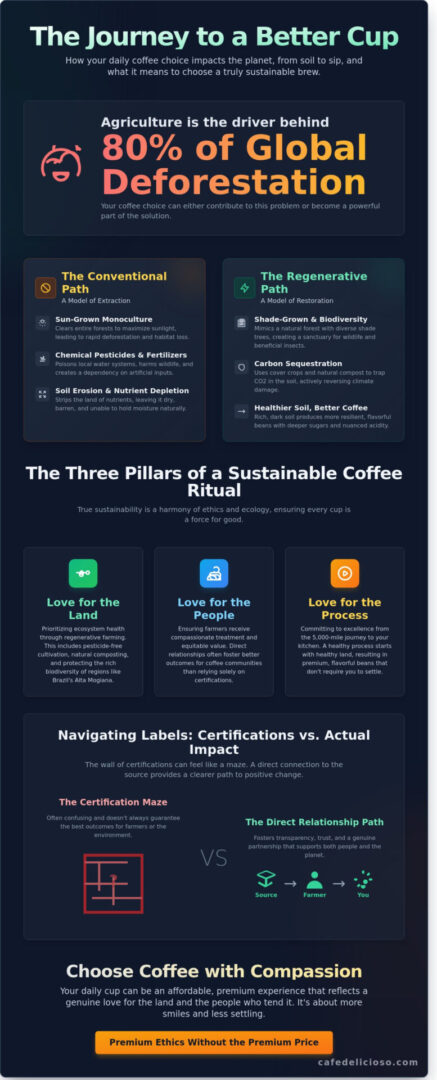
What if every sip of your morning brew helped restore a forest rather than deplete it? Research from the World Bank indicates that agriculture is responsible for 80 percent of global deforestation, but choosing coffee that is good for the planet can actually reverse this trend through carbon sequestration. You likely want to do the right thing, but the wall of certifications like Direct Trade and Bird Friendly often feels more like a marketing maze than a clear path. It’s frustrating to feel like you need a degree in environmental science just to enjoy your favorite ritual without the fear of contributing to unethical labor or habitat loss.
We believe that exceptional coffee should bring more smiles and less settling, especially when it comes to your values. You shouldn’t have to choose between an affordable price and ethical integrity. This guide will show you how to identify true regenerative farming practices and decode those confusing labels with total confidence. We’re going to explore how your daily cup can protect biodiversity in regions like Brazil’s Alta Mogiana while ensuring farmers receive the compassionate treatment they deserve. By the end, you’ll have a clear roadmap to sourcing affordable, premium beans that reflect a genuine love for the land and the people who tend it.
Key Takeaways
- Learn how true sustainability goes beyond minimizing harm to actively restoring ecosystems through a harmonious balance of ethics and environmental care.
- Understand the real world impact of common certifications and why direct relationships with farmers often lead to better outcomes for coffee communities.
- Discover how to identify and brew coffee that is good for the planet by choosing regenerative farming practices that protect biodiversity.
- Master simple at home habits to reduce waste by selecting the right bean types and using proper storage techniques to keep your coffee fresh.
- Explore how premium Brazilian Arabica provides a bold and ethical experience that aligns with a philosophy of more smiles and less settling.
What defines coffee that is good for the planet?
Truly Sustainable coffee goes beyond simply reducing a carbon footprint. It represents a commitment to restoring ecosystems that have been strained by decades of intensive farming. When you hold a mug of Café Delicioso, you’re holding the result of a 5,000 mile journey from the rolling hills of Brazil to your kitchen. This journey starts in the soil. Conventional farming often views the land as a factory. It uses monoculture techniques that strip nutrients and leave the earth dry. Regenerative estates take a different path. They treat the farm as a living organism. By choosing coffee that is good for the planet, you’re supporting a system where biodiversity thrives.
Regenerative farming mimics the natural patterns of the forest. Instead of endless rows of a single crop, these farms integrate shade trees, fruit plants, and native vegetation. This variety creates a sanctuary for local wildlife and beneficial insects. Your purchase is a direct vote for the preservation of the Atlantic Forest. This biome is one of the most biodiverse places on Earth, yet it has been reduced to less than 15 percent of its original size. Supporting ethical brands means you are helping to stop this decline. It is about moving from a model of extraction to one of restoration.
The hidden cost of conventional coffee
Conventional coffee production carries a heavy price tag that isn’t reflected on the receipt. Chemical pesticides are a standard tool in mass-market farming. These substances don’t stay on the leaves. They wash into local streams and poison the water systems that rural communities rely on. Sun-grown coffee is another major culprit. It requires clearing every tree to maximize sunlight for the coffee plants. This leads to rapid deforestation and soil erosion. In the Alta Mogiana region of Brazil, preserving the natural landscape is essential for maintaining the microclimate that Arabica beans need. Without the shade and protection of native trees, the soil loses its ability to hold moisture. This creates a cycle of dependency on artificial fertilizers and irrigation that the land cannot sustain.
The vision of a regenerative coffee future
A better way exists. Regenerative farming prioritizes carbon sequestration by using cover crops and diverse plantings to trap CO2 in the earth. This creates a rich, dark soil that acts like a sponge. Healthy soil produces a more resilient and flavorful Arabica bean. When the plant is nourished by a complex underground network, the cherry develops deeper sugars and more nuanced acidity. You can taste the difference in every sip. This vision is the heartbeat of our mission at Café Delicioso. We focus on crafting coffee with compassion for the land and the people who tend it. Investing in coffee that is good for the planet ensures that the Alta Mogiana region remains vibrant for generations to come. It turns your daily habit into a powerful force for global healing. We believe in Love for the Land and Love for the Process. This commitment results in a premium experience that doesn’t ask you to settle for anything less than excellence.
The three pillars of a sustainable coffee ritual
True sustainability isn’t a single checkbox or a marketing buzzword. It’s a living harmony between three essential elements that we call the triad of Love for the People, Love for the Land, and Love for the Process. When these three pillars align, you get more than just a morning caffeine boost; you get coffee that is good for the planet. This holistic approach closely follows The SCA’s Sustainable Coffee Agenda, which defines sustainability as a continuous journey toward equitable value distribution across the entire supply chain. At the heart of this journey is the farmer, who serves as the primary steward of the environment. Without their daily dedication to protecting the ecosystem, the entire ritual collapses. We believe pesticide-free growth is a non-negotiable standard for planet-friendly beans because chemical runoff destroys the very biodiversity that makes specialty coffee possible.
Love for the Land: Regenerative farming in practice
In the Alta Mogiana region of Brazil, farmers use specific techniques to maintain soil fertility without relying on synthetic chemicals. They utilize cover cropping and natural composting to keep the earth nutrient-dense and resilient. This pesticide-free cultivation is vital for protecting local pollinators like the Apis mellifera bee, which 75 percent of global food crops depend on for survival. When farmers avoid harsh toxins, they allow the local flora and fauna to thrive alongside the coffee trees. Regenerative agriculture is a system that mirrors natural forest cycles to restore soil health and capture carbon.
Love for the People: Beyond fair wages
Ethical coffee requires looking closely at the humans behind the harvest. We partner with the Cocapec cooperative in Brazil, an organization that supports over 2,500 member growers with technical assistance and social programs. This partnership goes beyond simple fair wages; it invests in the long-term stability of the community. Ethical labor practices lead to higher quality coffee because workers who are respected and supported take better care of the crop during the critical picking and sorting stages. Community support in coffee-growing regions builds resilience against market fluctuations and climate challenges. When the people thrive, the coffee reflects that care in every sip. It’s a product truly crafted with compassion.
Love for the Process: From harvest to roaster
The journey from a bright red cherry to a roasted bean requires precision to minimize environmental impact. Modern dry processing methods in Brazil use the natural heat of the sun to dry beans, which saves thousands of gallons of water compared to traditional wet methods. When wet processing is required, our partners use energy-efficient machinery that reduces electricity consumption by up to 30 percent compared to older models. Once the green beans arrive, small-batch roasting ensures we only produce what’s needed, which reduces waste and guarantees peak freshness. You can explore how we refine our coffee to see these efficient methods in action. This careful handling ensures that the hard work of the farmer is preserved all the way to your kitchen.
Choosing coffee that is good for the planet shouldn’t feel like a sacrifice or a chore. It’s about finding that cup of joy that aligns with your personal values and provides a superior flavor profile. If you’re ready to experience the difference that ethical sourcing makes, you can browse our sustainable Brazilian coffee blends to find your new favorite roast. More smiles and less settling start with a bean that respects the earth.
Navigating labels: Certifications vs. actual impact
Walking down the coffee aisle often feels like reading a dictionary of eco-jargon. You see seals for USDA Organic, Fair Trade, and Rainforest Alliance. These logos suggest you’re buying coffee that is good for the planet, but they don’t tell the whole story. Certifications provide a baseline for ethical standards. USDA Organic prohibits 95% of synthetic fertilizers. Fair Trade USA ensures a minimum price of $1.90 per pound for washed arabica. Rainforest Alliance focuses on 40% canopy cover to protect biodiversity. These are vital tools; however, they often overlook the nuance of local farming.
We believe that true quality comes from a deep Love for the Process. Many premium brands now prioritize direct relationships over third-party seals. A certification is a snapshot. A relationship is a partnership. For example, working directly with the Cocapec cooperative in Brazil allows for deeper insight into soil health and water usage than a yearly audit provides. Direct trade ensures that more of your money goes to the people who grow the beans. True sustainability requires looking past the sticker to see the actual transparency of the supply chain.
Is organic coffee always better for the environment?
Not every eco-friendly farm wears an official badge. Obtaining a USDA Organic seal costs small producers between $500 and $1,500 in annual fees, plus the cost of rigorous record-keeping. Many farmers in regions like Alta Mogiana use regenerative practices and zero pesticides but cannot afford the certification. This creates a certification gap where ethical coffee is sold without a logo. To find coffee that is good for the planet, use this verification checklist:
- Check for specific farm or cooperative names, like Cocapec.
- Look for mentions of pesticide-free or regenerative farming in the brand’s story.
- Verify if the brand publishes an annual impact report or sourcing map.
- Search for single-origin details that track the bean to a specific plot of land.
The rise of EUDR and forest-positive coffee
The regulatory world is shifting toward mandatory accountability. By December 30, 2024, large companies must comply with the European Union Deforestation Regulation (EUDR). This law requires proof that coffee wasn’t grown on land deforested after December 31, 2020. By 2026, these standards will apply to all operators in the European market, influencing global supply chains. Companies now use satellite monitoring with 10-meter resolution to track land-use changes in real-time. This technology protects the high-altitude forests of South America by making illegal clearing impossible to hide.
Choosing sustainable coffee means supporting brands that already meet these strict geolocation requirements. Transparency isn’t a marketing buzzword anymore; it’s a legal necessity that ensures your morning cup preserves the Earth’s lungs. When a brand can show you the exact coordinates of their farm, you can trust their Love for the Land is genuine. This level of detail provides more smiles and less settling for vague environmental promises. High-quality Brazilian beans are now at the forefront of this digital traceability, ensuring that your cup of joy doesn’t come at the expense of the rainforest.
How to be a conscious coffee consumer at home
Your daily ritual holds incredible power to protect the environment. Choosing coffee that is good for the planet begins with the small decisions you make in your kitchen every morning. It starts with moving away from convenience culture and embracing a slower, more intentional process that respects the bean and the earth it grew in.
Buying whole beans is one of the most effective ways to reduce your environmental footprint. Pre-ground coffee has a much higher surface area exposed to oxygen, causing it to lose up to 60 percent of its aromatic intensity within just 15 minutes of grinding. This rapid degradation often leads to stale coffee that ends up being poured down the sink. When you grind only what you need, you ensure every gram of your premium Brazilian coffee is enjoyed. Additionally, purchasing larger bags of whole beans, such as 1kg options, can reduce packaging waste by 30 percent compared to buying multiple smaller 250g bags over the same period.
Proper storage is the next step in your sustainability journey. Oxygen, light, heat, and moisture are the enemies of freshness. Instead of leaving your beans in the original bag with a plastic clip, transfer them to an opaque, airtight container. This simple habit can extend the peak flavor of your beans by three to four weeks. By preserving the quality of your specialty coffee, you honor the hard work of the farmers and prevent the waste of resources used during the growing and roasting processes.
Choosing the right bag
Transparency is the key to ethical consumption. Look for brands that prioritize recyclable or compostable packaging to keep plastic out of our oceans. Single-origin coffee is a superior choice for the conscious shopper because it provides a direct line of sight to the farm’s practices. When you see a specific regional name like Alta Mogiana on the bag, you can trust the coffee comes from a prestigious area known for its commitment to quality and regenerative farming. This level of detail ensures your cup of joy supports healthy soil and fair labor.
Sustainable brewing and waste reduction
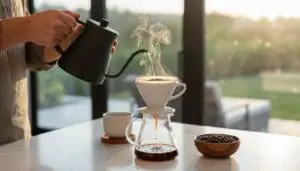
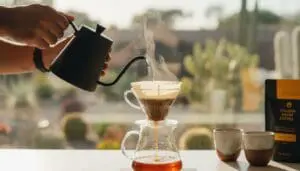
The method you use to brew has a massive impact on the planet. Single-use pod machines are a significant source of pollution, with an estimated 29,000 plastic capsules ending up in landfills every minute globally. Switching to manual methods like a French Press or a Hario V60 with a cloth filter eliminates this plastic waste entirely. These methods also give you more control over the flavor, resulting in a cup that is beautifully strong and full of character. For more expert advice on perfecting your technique, check out our FAQ page for storage and brewing tips.
Don’t let your used grounds go to waste. Coffee grounds are a goldmine for your garden because they contain roughly 2 percent nitrogen and essential minerals like magnesium and potassium. Mixing dried grounds into your soil improves drainage and attracts beneficial earthworms. If you don’t have a garden, you can create a natural body scrub by mixing used grounds with coconut oil. This keeps organic matter out of landfills, where it would otherwise produce methane gas. Embracing these circular habits ensures your love for coffee translates into a love for the land. Experience the difference of high-quality beans and shop our sustainable Brazilian coffee collection today.
Café Delicioso: Premium ethics without the premium price
At Café Delicioso, we live by a simple philosophy: More Smiles. Less Settling. For too long, coffee drinkers felt forced to choose between an affordable price tag and an ethical conscience. We’ve changed that dynamic by providing specialty grade beans that respect both the worker and the soil. Our commitment to 100% Arabica beans ensures a strong, bold experience in every mug. We don’t believe in watered-down ethics or watered-down flavor. Finding coffee that is good for the planet should be a seamless part of your morning, not a complex research project. By focusing on regenerative practices and direct relationships, we bring premium ethics into your kitchen without the inflated boutique price.
We believe that high-quality, sustainable coffee belongs in every home. It shouldn’t be a luxury reserved for those who can afford a ten-dollar latte. Our brand is built on the idea that when you treat the land with respect, the land rewards you with a superior product. This cycle of care creates a better experience for everyone involved, from the farmers in Brazil to the person holding the warm mug at 7:00 AM. We invite you to join our growing community of conscious coffee lovers who refuse to compromise on taste or integrity. When you choose a brand that prioritizes the earth, you’re making a tangible impact with every purchase.
Affordable quality from the heart of Brazil
Our secret lies in the lush hills of Alta Mogiana, a region in Brazil famous for producing some of the world’s most balanced beans. We source directly from the Cocapec cooperative, an organization founded in 1985 that now supports over 2,000 coffee growers dedicated to sustainable excellence. This direct connection eliminates unnecessary layers of distribution costs. We pass those savings directly to you. The Alta Mogiana beans thrive at altitudes between 900 and 1,000 meters, resulting in a flavor profile that is naturally sweet, smooth, and layered with rich chocolate notes. We take immense pride in our Brazilian heritage and our refusal to use harmful pesticides. Our beans meet strict environmental standards, ensuring that our coffee that is good for the planet is also good for your health. It is authentic specialty coffee that remains accessible to every household because we prioritize people over excessive profit margins.
Your cup of joy starts here
Every morning ritual is an opportunity to make a statement about the world you want to live in. When you choose our beans, you’re joining a community that values transparency and quality. We’ve built our brand on a triad of values that guide every decision we make:
- Love for the People: Ensuring fair treatment and economic stability for our farming partners.
- Love for the Land: Utilizing regenerative farming techniques to protect Brazilian biodiversity.
- Love for the Process: Maintaining rigorous quality control from the cherry harvest to the final roast.
This isn’t just marketing; it’s our operational standard. You can taste the difference that compassion makes in every sip. It’s time to stop settling for mediocre blends that hide their origins behind vague labels. Visit our online shop today to find your new favorite roast and start your day with a vote for a greener future. Join us in proving that high standards and high value can coexist perfectly in a single cup.
Crafted with Compassion for you and the land
Brewing a Better Future with Every Cup
Your morning ritual holds the power to protect the environment and support farming communities across the globe. By 2026, choosing coffee that is good for the planet means looking beyond basic certifications to find regenerative practices and transparent supply chains. We’ve explored how identifying pesticide-free farming and supporting direct-trade models creates a lasting positive impact. You don’t have to settle for average flavor to make an ethical choice.
At Café Delicioso, we bring you 100% Pure Arabica beans sourced directly from the Alta Mogiana region in Brazil. Our partnership with the Cocapec cooperative ensures our coffee is grown using regenerative methods that nourish the soil. We believe in providing premium quality without the premium price tag. It’s about more smiles and less settling for everyone involved in the process. You can enjoy a bold, delicious cup knowing it was crafted with compassion for the land and its people.
Shop our ethically sourced, planet-friendly Brazilian coffee and taste the difference that conscious sourcing makes in every sip. Your daily cup of joy is waiting.
Frequently Asked Questions
What is the most eco-friendly way to buy coffee?
Buying whole beans in bulk or using reusable canisters is the most eco-friendly way to purchase your coffee. This practice eliminates single-use plastic and reduces carbon emissions from frequent shipping. According to a 2022 waste management study, bulk purchasing can reduce packaging waste by up to 96 percent. We believe this simple change brings more smiles and less settling for the environment while keeping your beans fresh.
Is organic coffee better for the planet than regular coffee?
Organic coffee is better for the planet because it eliminates the use of synthetic fertilizers and toxic pesticides. These chemicals often contaminate local water supplies and harm 1,000 different species of beneficial insects. Research shows that organic farms have 30 percent more biodiversity than conventional ones. Choosing organic is a way to show love for the land while enjoying a cleaner, more authentic cup of coffee for your daily ritual.
What does regenerative farming mean in the coffee industry?
Regenerative farming is a system of agricultural principles that rehabilitates the entire ecosystem of the farm. It focuses on topsoil regeneration and increasing biodiversity to capture carbon in the ground. In the Alta Mogiana region, farmers use these methods to ensure the land remains fertile for generations. This approach creates coffee that is good for the planet by actively reversing climate change through improved soil health.
How does coffee production contribute to deforestation?
Coffee production contributes to deforestation when forests are cleared for full-sun plantations, which happened to 129,000 hectares of forest in 2021 alone. This destruction ruins habitats and reduces the earth’s ability to absorb carbon dioxide. New European Union Deforestation Regulation rules coming into effect in December 2024 will strictly ban coffee grown on recently deforested land. We support these measures because of our deep love for the land.
Are coffee pods bad for the environment?
Coffee pods are generally harmful to the environment because most of the 39,000 pods produced every minute worldwide end up in landfills. These aluminum and plastic containers can take 500 years to break down completely. If you love the convenience, switch to reusable stainless steel pods or compostable versions. This small adjustment ensures your favorite coffee ritual doesn’t leave a permanent scar on the earth or compromise your ethical standards.
What is the difference between Fair Trade and Direct Trade coffee?
Fair Trade is a formal certification that guarantees a minimum price floor, whereas Direct Trade is a personal relationship between the roaster and the farmer. Direct Trade often results in farmers receiving 40 percent more than the standard Fair Trade price. We work closely with our partners in Brazil because we believe in love for the people who grow our exceptional beans. This ensures every cup is truly crafted with compassion.
How can I tell if a coffee brand is greenwashing?
You can spot greenwashing by looking for vague marketing language that lacks third-party certification or specific data. Genuine brands will share detailed information about their cooperatives, such as our partnership with Cocapec in Brazil. Avoid brands that use terms like natural without explaining their actual carbon footprint or sourcing practices. A transparent company will provide a clear 100 percent traceability report for every bag of premium beans they sell.
Does sustainable coffee taste different from conventional coffee?
Sustainable coffee often has a more vibrant and complex flavor profile because the beans grow slowly in nutrient-rich soil. Conventional coffee relies on chemicals that can mask the natural terroir of the region. When you choose specialty beans, you are getting a product that scores 84 points or higher on the quality scale. It is a cup of joy that tastes as good as it feels because it is coffee that is good for the planet.